

Nanomaterials in Rocket Propulsion Systems – PDF/EPUB Version Downloadable
$49.99
Author(s):
Publisher: Elsevier (S&T)
ISBN: 9780128139080
Edition:
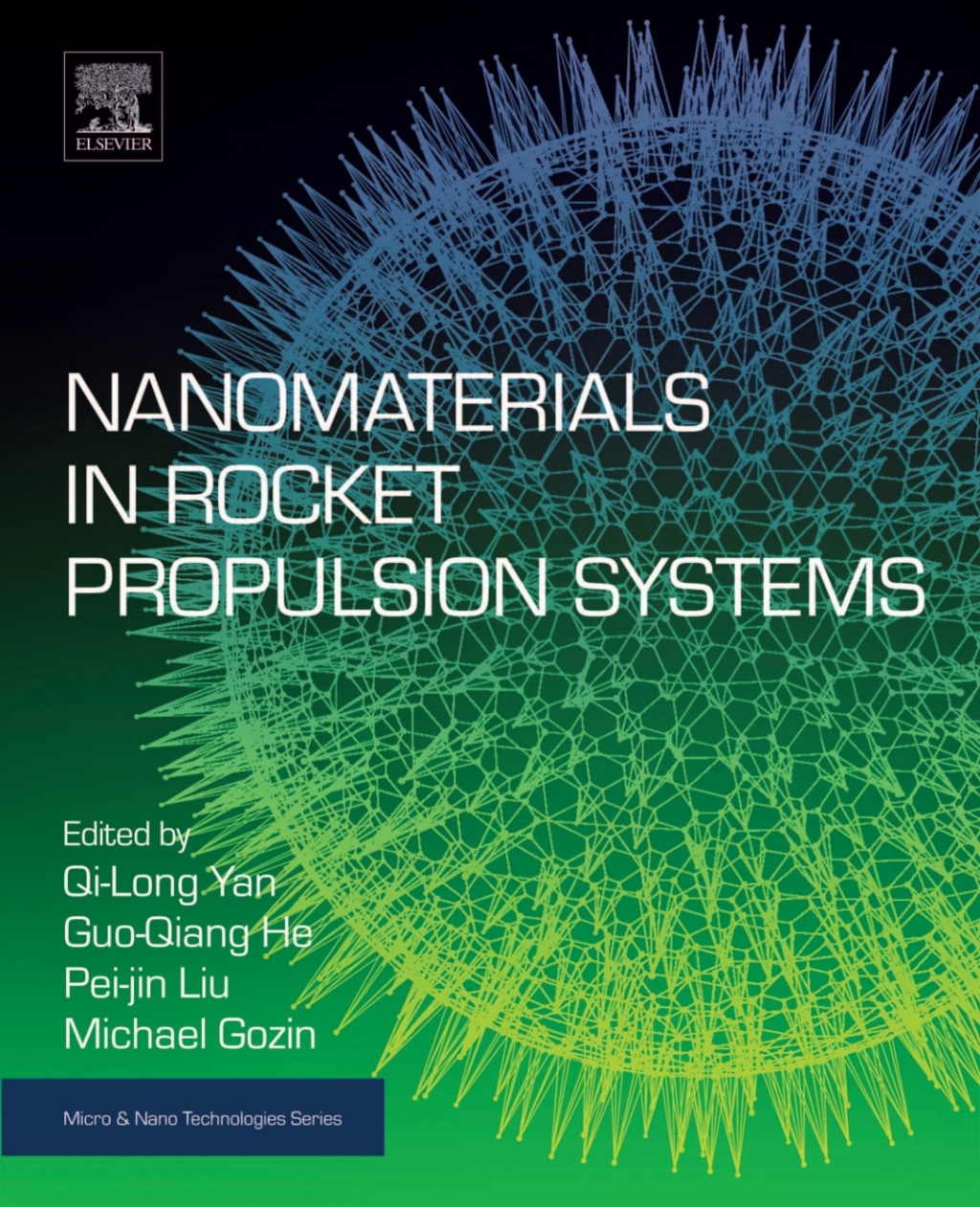
Nanomaterials in Rocket Propulsion Systems covers the fundamentals of nanomaterials and examines a wide range of innovative applications, presenting the current state-of-the-art in the field. Opening with a chapter on nano-sized energetic materials, the book examines metal nanoparticles-based fuels, ballistic modifiers, stabilizers and catalysts as the components of rocket propellants. Hydrogen storage materials for rocket propulsion based on nanotubes are then discussed, as are nano-porous materials and metal organic frameworks, nano-gelled propellants, nano-composite ablators and ceramic nano-composites. Other applications examined include high thermal conductivity metallic nano-composite nozzle liners, nano-emitters for Coulomb propulsion of space-crafts, and highly thermostable nano-ceramics for rocket motors.
The book finishes with coverage of combustion of nano-sized rocket fuels, nano-particles and their combustion in micro- and nano-electromechanical systems (MEMS/NEMS), plasma propulsion and nano-scale physics. Users will find this to be a valuable resource for academic and government institutions, professionals, new researchers and graduate students working in the application of nanomaterials in the aerospace industry.
- Provides a detailed overview of different types of nanomaterials used in rocket propulsion, highlighting different situations in which different materials are used
- Demonstrates the use of new nanomaterial concepts, allowing for an increase in payload capacity or a decrease in launch mass
- Explores a range of applications using metal nanopowders, presenting a panorama on cutting-edge, technological developments
-1st-edition-%E2%80%93-pdfepub-version-downloadable-8741-yaq5g.jpg)