
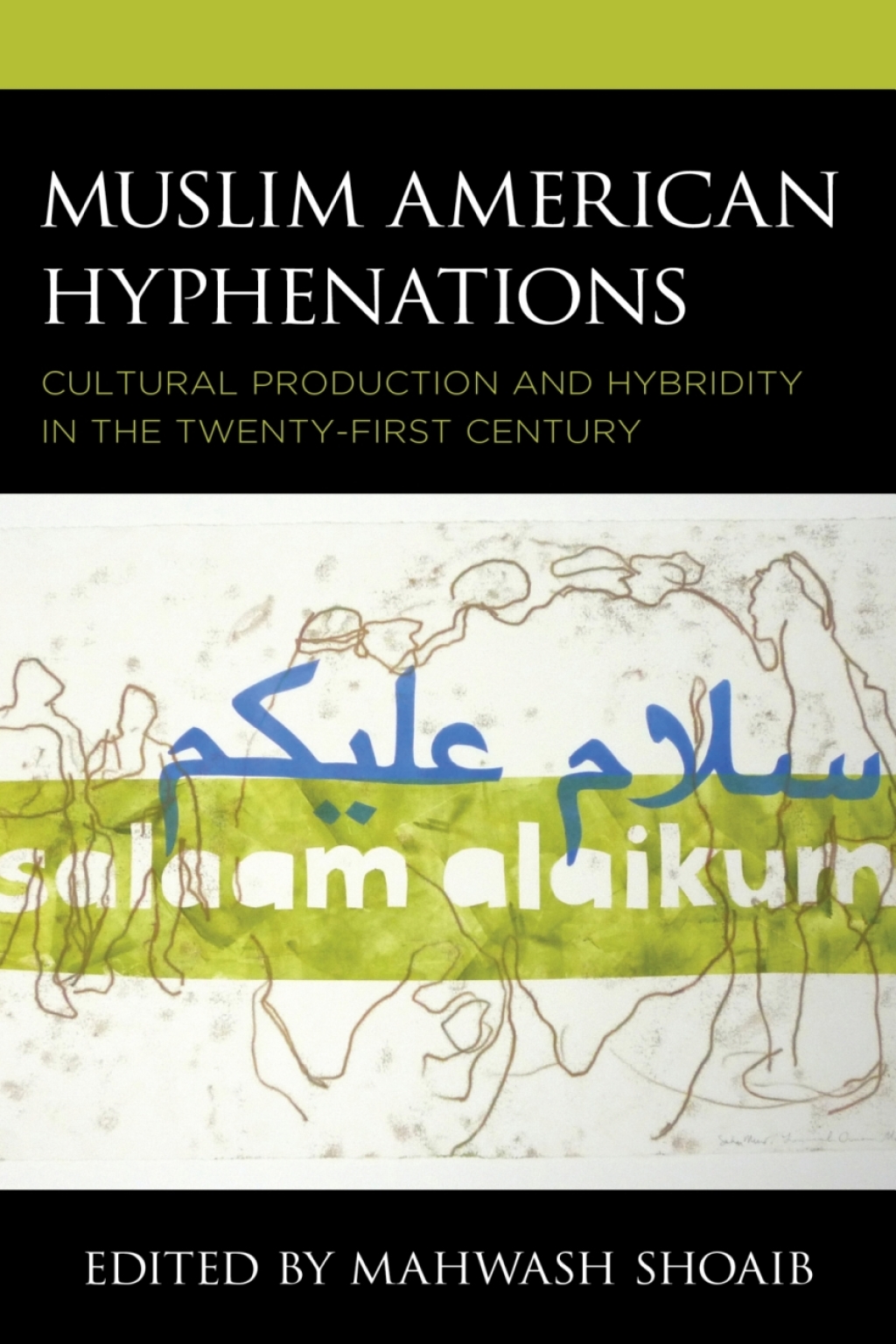

Muslim American Hyphenations Cultural Production and Hybridity in the Twenty-first Century 1st Edition – PDF/EPUB Version Downloadable
$49.99
Author(s): Mahwash Shoaib
Publisher: Lexington Books
ISBN: 9781793641298
Edition: 1st Edition
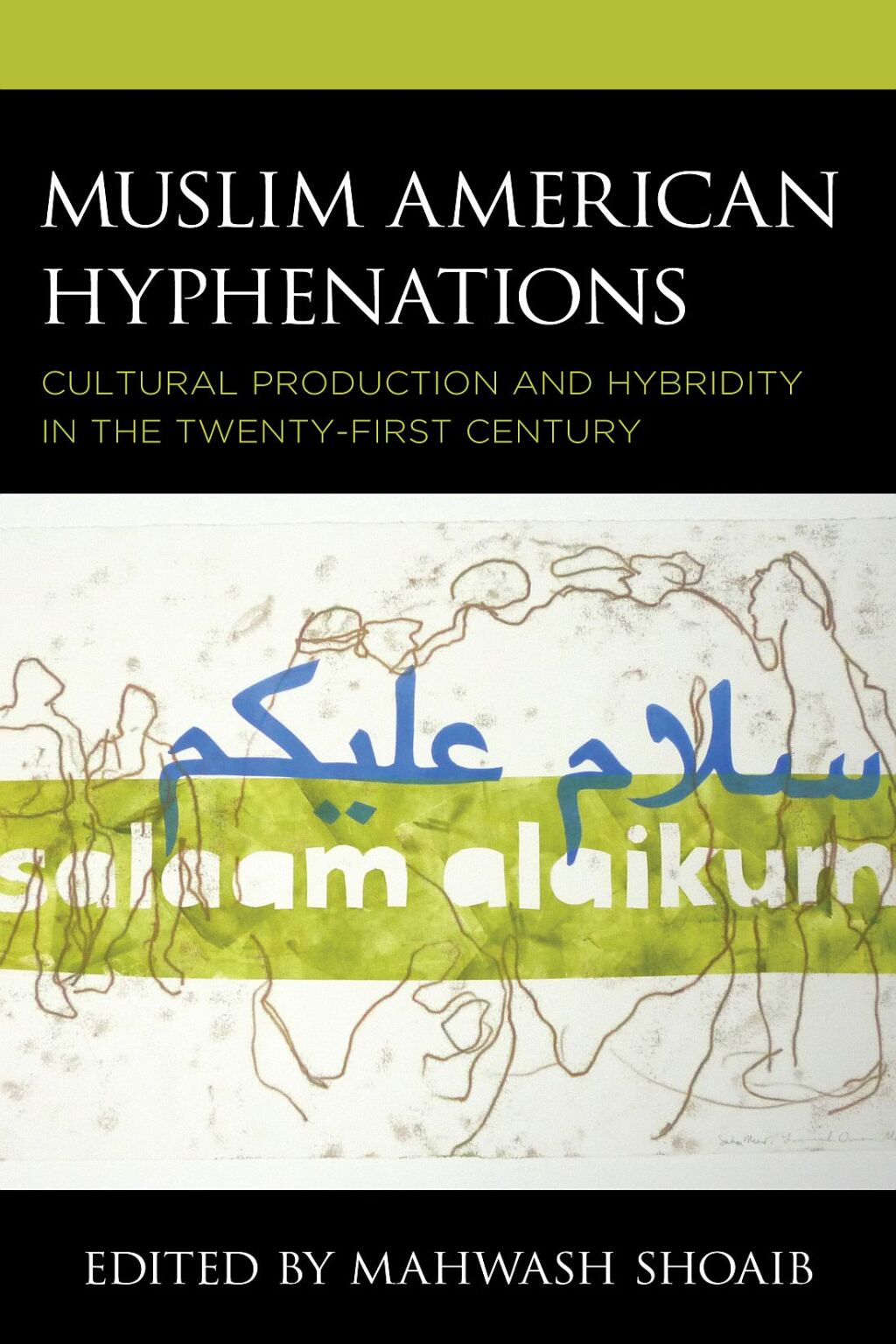
The essays in Muslim American Hyphenations: Cultural Production and Hybridity in the Twenty-first Century contest the lack of nuance in the public debates about American Islam and reclaim a self-determined identity by twenty-first century Muslim American writers, artists, and performers. Muslim American Hyphenations covers a wide spectrum of cultural representation based upon a shared religion that encompasses multiethnic and polylinguistic communities in the American landscape, challenging both the sacred-secular binary and the confines of multiculturalism. The contributors to this volume explore the codes of belonging in different American spheres, from transnational and local negotiations of immigrant and domestic Muslim Americans with nation, race, class, and gender, to the performance of faith in the creative manifestations of these identities. In their analyses, these scholars propose that Muslim American cultural productions provide an alternative space of dissensus and the utopian potentiality of connections with other minoritarian communities.
Related products
-1st-edition-%E2%80%93-pdfepub-version-downloadable-8741-yaq5g.jpg)
-1st-edition-%E2%80%93-pdfepub-version-downloadable-4292-c4gaw.jpg)


Muslim American Hyphenations Cultural Production and Hybridity in the Twenty-first Century 1st Edition – PDF/EPUB Version Downloadable
$49.99
Author(s): Mahwash Shoaib
Publisher: Lexington Books
ISBN: 9781793641298
Edition: 1st Edition
The essays in Muslim American Hyphenations: Cultural Production and Hybridity in the Twenty-first Century contest the lack of nuance in the public debates about American Islam and reclaim a self-determined identity by twenty-first century Muslim American writers, artists, and performers. Muslim American Hyphenations covers a wide spectrum of cultural representation based upon a shared religion that encompasses multiethnic and polylinguistic communities in the American landscape, challenging both the sacred-secular binary and the confines of multiculturalism. The contributors to this volume explore the codes of belonging in different American spheres, from transnational and local negotiations of immigrant and domestic Muslim Americans with nation, race, class, and gender, to the performance of faith in the creative manifestations of these identities. In their analyses, these scholars propose that Muslim American cultural productions provide an alternative space of dissensus and the utopian potentiality of connections with other minoritarian communities.