
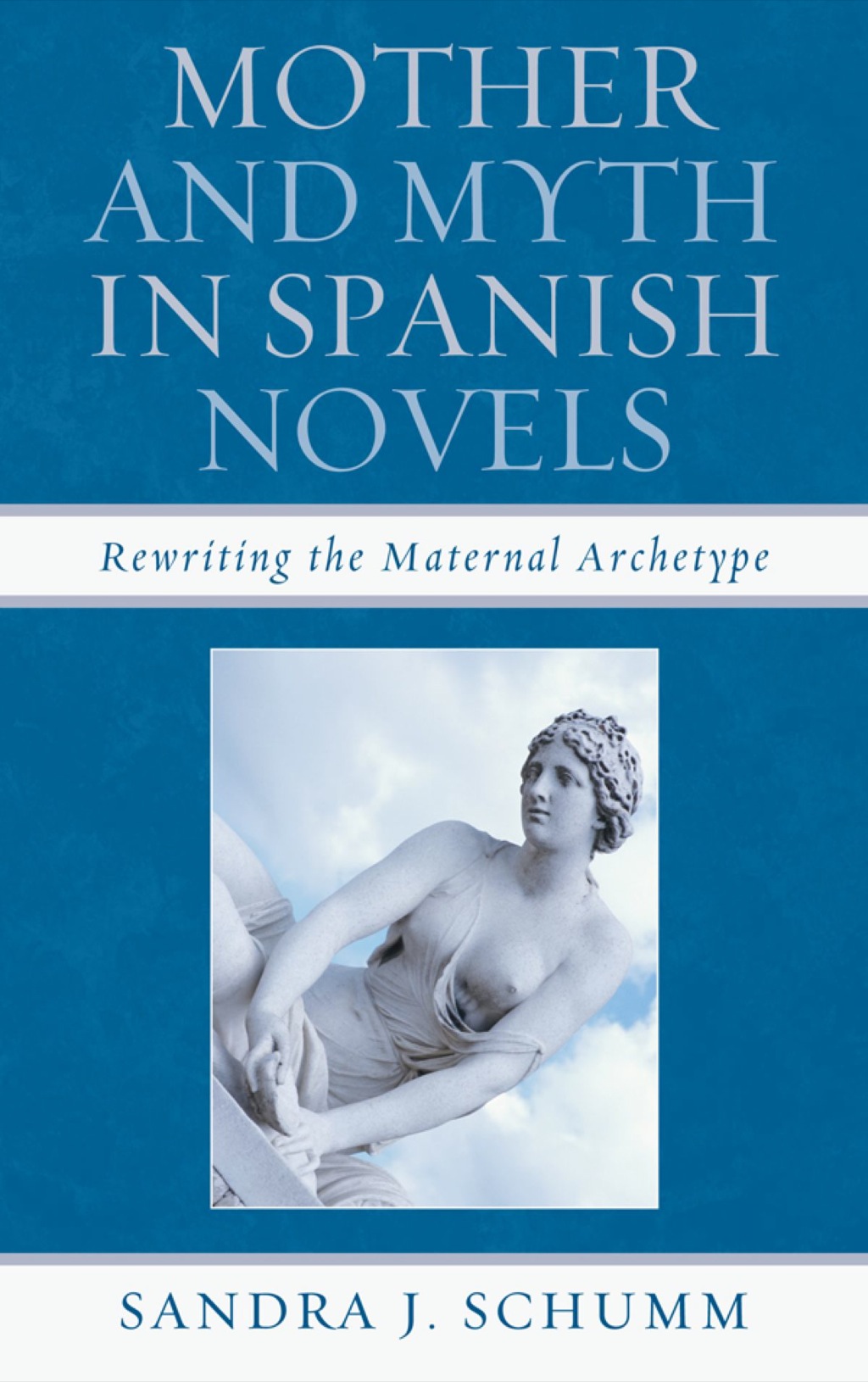


Mother & Myth in Spanish Novels Rewriting the Matriarchal Archetype 1st Edition – PDF/EPUB Version Downloadable
$49.99
Author(s): Sandra J. Schumm
Publisher: Bucknell University Press
ISBN: 9781611483581
Edition: 1st Edition
What if the goddess Athena, who sprang fully-grown from Zeus’s head and denied she had a mother, became aware of the compelling existence of her other parent? What if she discovered that her mother, Metis-first wife of Zeus and “wiser than all gods and mortal men,” according to Hesiod-was swallowed by her father and continued to impart her wisdom to him from inside his belly? Recent Spanish novels by women parallel this hypothetical situation based on Greek myth by featuring female protagonists who obsessively re-examine the lives of their mothers, seeking to know and understand them. In Mother and Myth in Spanish Novels, Sandra J. Schumm examines six narratives by Spanish authors published since 2000 that focus on a daughter’s search to know more about her matriarchal heritage: Carme Riera’s La mitad del alma, LucÃa Etxebarria’s Un milagro en equilibrio, Rosa Montero’s El corazón del tártaro, Cristina Cerezales’s De oca a oca, MarÃa de la Pau Janer’s Las mujeres que hay en mÃ, and Soledad Purtolas’s Historia de un abrigo. In each of these novels, the protagonist realizes that failure to integrate the loss of her mother into her life results in the inability to define her self. Without valorization of the maternal subject, the legacy of the daughter is at risk-she is also objectified and swallowed-and the whole society suffers. The daughters’ attention to their mothers in these novels is as if Athena had finally recognized that her mother, Metis, had been ingested by Zeus. The myth of Metis and Athena becomes a metaphor of the daughter’s quest toward wholeness and individuation in these works; she begins to understand that her maternal legacy is a source of wisdom that has been obscured. These novels by Spanish women strengthen the mother’s voice, rescue her from anonymity, and rewrite the matriarchal archetype.
-1st-edition-%E2%80%93-pdfepub-version-downloadable-8741-yaq5g.jpg)