
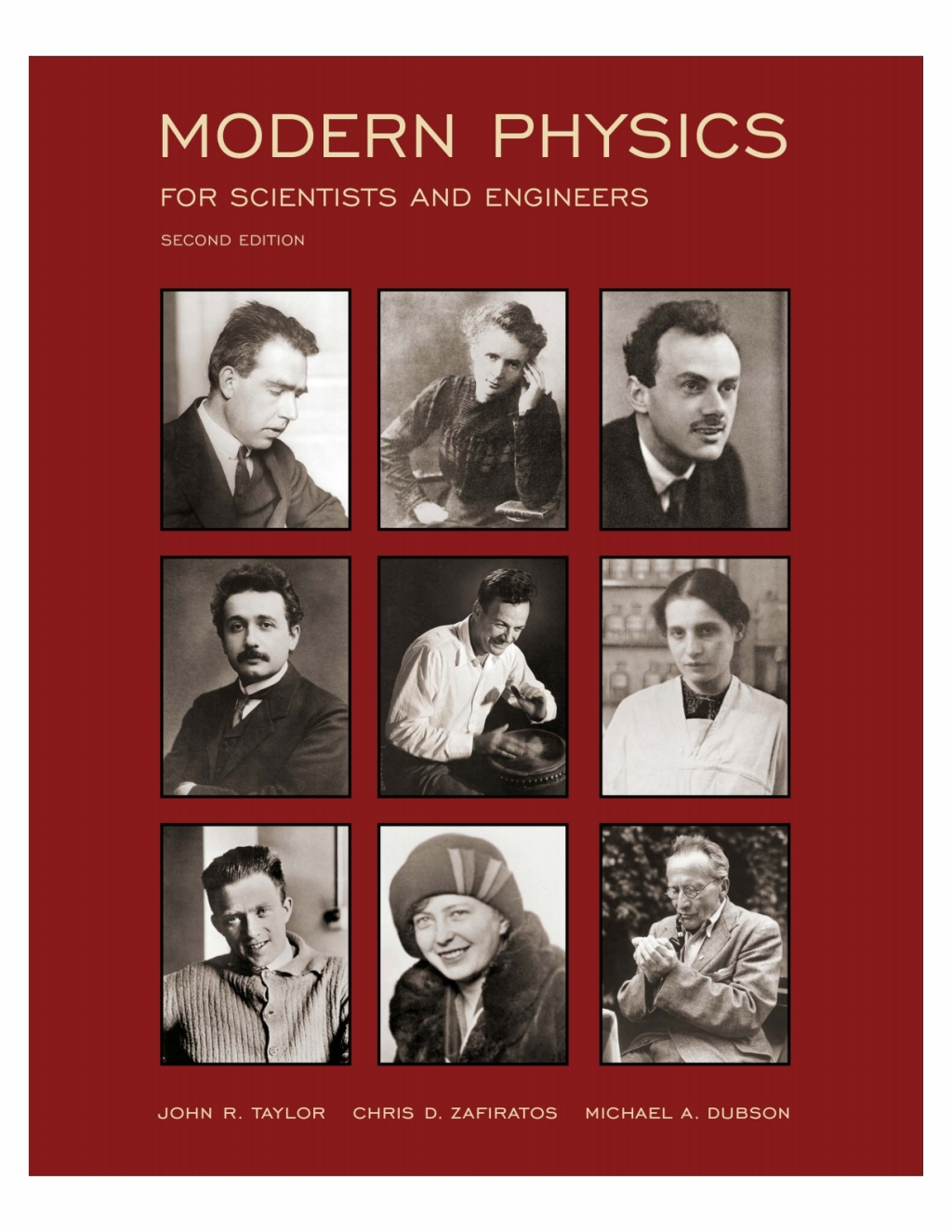


Modern Physics for Scientists and Engineers 2nd Edition – PDF/EPUB Version Downloadable
$49.99
Author(s): John Taylor
Publisher: University Science Books
ISBN: 9781938787751
Edition: 2nd Edition
With more than 100 years of combined teaching experience and PhDs in particle, nuclear, and condensed-matter physics, these three authors could hardly be better qualified to write this introduction to modern physics.  They have combined their award-winning teaching skills with their experience writing best-selling textbooks to produce a readable and comprehensive account of the physics that has developed over the last hundred years and led to today’s ubiquitous technology.  Assuming the knowledge of a typical freshman course in classical physics, they lead the reader through relativity, quantum mechanics, and the most important applications of both of these fascinating theories.
Related products
-1st-edition-%E2%80%93-pdfepub-version-downloadable-8741-yaq5g.jpg)
-1st-edition-%E2%80%93-pdfepub-version-downloadable-4292-c4gaw.jpg)



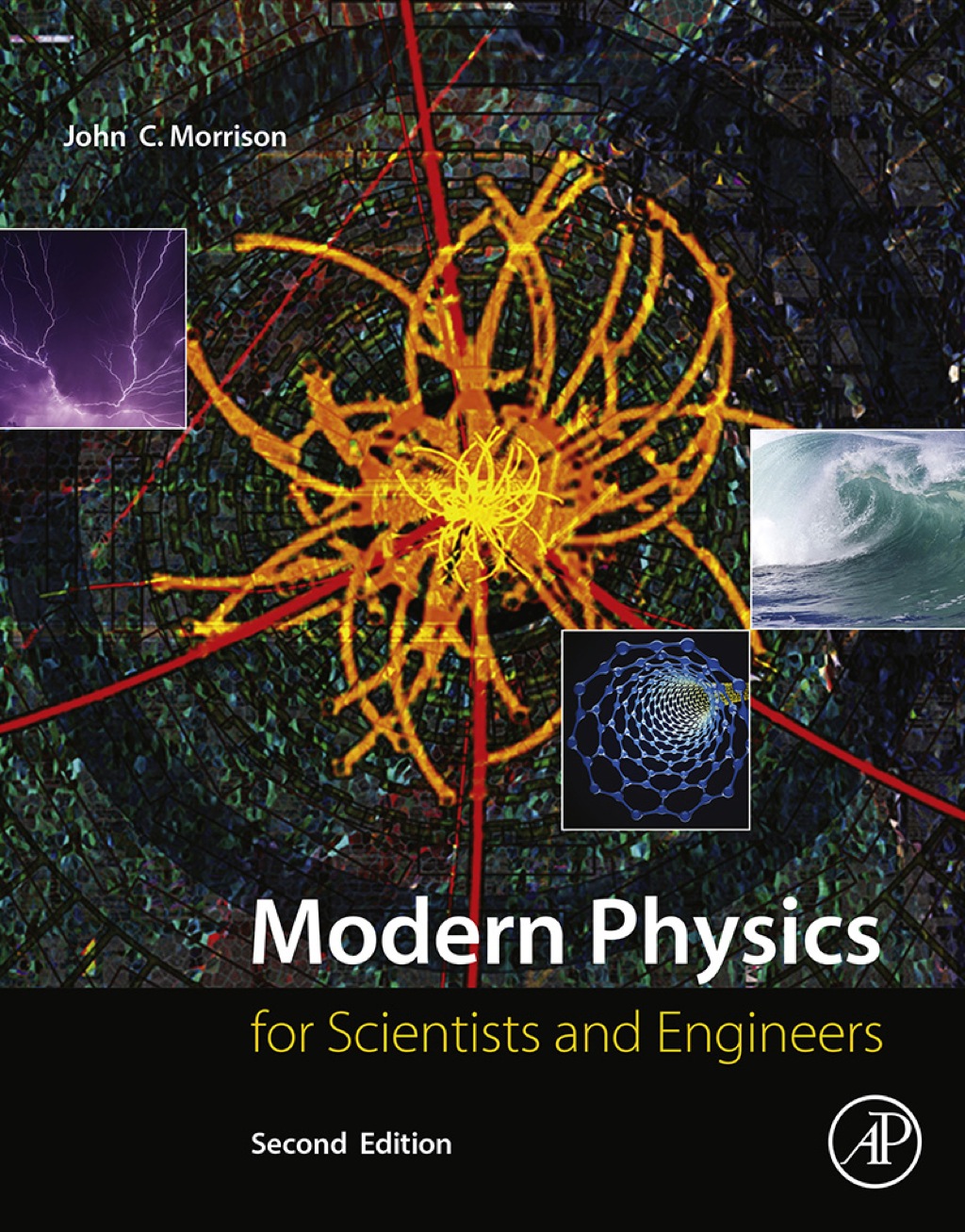


Modern Physics: for Scientists and Engineers 2nd Edition – PDF/EPUB Version Downloadable
$49.99
Author(s): Morrison, John
Publisher: Academic Press
ISBN: 9780128007341
Edition: 2nd Edition
The second edition of Modern Physics for Scientists and Engineers is intended for a first course in modern physics. Beginning with a brief and focused account of the historical events leading to the formulation of modern quantum theory, later chapters delve into the underlying physics. Streamlined content, chapters on semiconductors, Dirac equation and quantum field theory, as well as a robust pedagogy and ancillary package, including an accompanying website with computer applets, assist students in learning the essential material. The applets provide a realistic description of the energy levels and wave functions of electrons in atoms and crystals. The Hartree-Fock and ABINIT applets are valuable tools for studying the properties of atoms and semiconductors.
- Develops modern quantum mechanical ideas systematically and uses these ideas consistently throughout the book
- Carefully considers fundamental subjects such as transition probabilities, crystal structure, reciprocal lattices, and Bloch theorem which are fundamental to any treatment of lasers and semiconductor devices
- Clarifies each important concept through the use of a simple example and often an illustration
- Features expanded exercises and problems at the end of each chapter
- Offers multiple appendices to provide quick-reference for students