
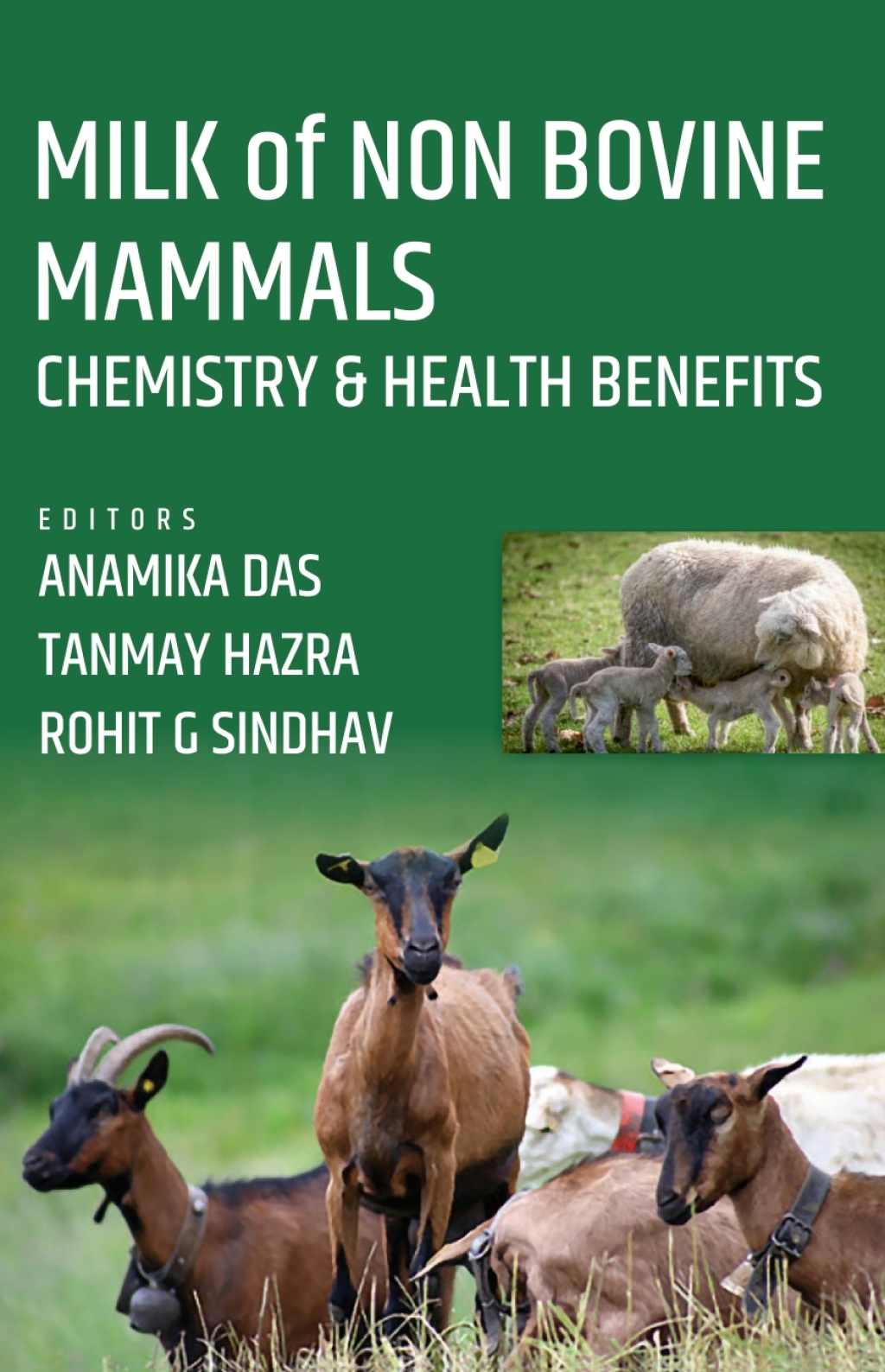

Milk of Non Bovine Mammals: Chemistry and Health Benefits 1st Edition – PDF/EPUB Version Downloadable
$49.99
Author(s): Anamika Das, Tanmay Hazra & Rohit G Shindhav
Publisher: NIPA
ISBN: 9789390175116
Edition: 1st Edition
Milk has been an important component of the human diet since ancient times, providing a significant amount of protein, micronutrients, and vitamins that are essential for fighting and alleviating malnutrition. Of the world total milk production, cow milk contributes 82.7%, followed by milk from buffaloes, goats, sheep, and camels. Cow milk makes up the majority of the world total milk production.
While cow milk has numerous health benefits, there are also some adverse effects or negative side effects associated with it for certain populations in the world. These adverse effects have been categorized as symptoms of lactose intolerance, a condition characterized by difficulty in digesting milk due to a lack of the enzyme Lactase. Milk allergy occurs due to an adverse immune reaction to certain milk proteins and is usually referred to as cow milk protein allergy (CMPA).
Non-cow (goat, camel, donkey, yak, horse) milks are closely linked to the culinary cultures of many societies around the world. Non-bovine milks are of great interest to researchers in terms of milk production, technology, chemistry, microbiology, safety, nutrition, and health aspects.