
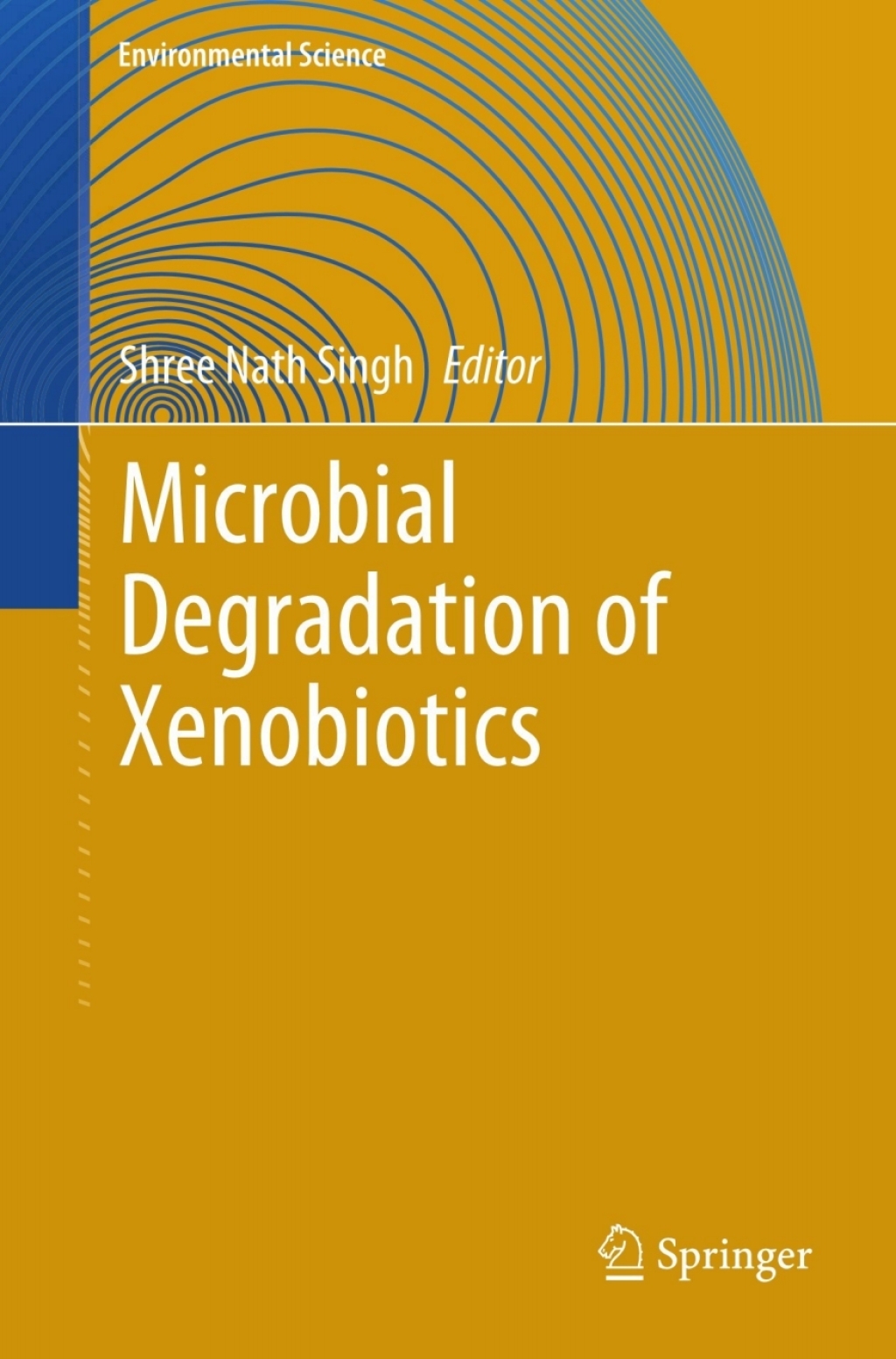
Microbial Degradation of Xenobiotics – PDF/EPUB Version Downloadable
$49.99
Author(s): Author
Publisher: Springer
ISBN: 9783642237881
Edition:
Our interest in the microbial biodegradation of xenobiotics has increased many folds in recent years to find out sustainable ways for environmental cleanup. Bioremediation and biotransformation processes harness the naturally occurring ability of microbes to degrade, transform or accumulate a wide range of organic pollutants. Major methodological breakthroughs in recent years through detailed genomic, metagenomic, proteomic, bioinformatic and other high-throughput analyses of environmentally relevant microorganisms have provided us unprecedented insights into key biodegradative pathways and the ability of organisms to adapt to changing environmental conditions. The degradation of a wide spectrum of organic pollutants and wastes discharged into the environment by anthropogenic activities is an emerging need today to promote sustainable development of our society with low environmental impact. Microbial processes play a major role in the removal of recalcitrant compounds taking advantage of the astonishing catabolic versatility of microorganisms to degrade or transform such compounds. New breakthroughs in sequencing, genomics, proteomics, bioinformatics and imaging are generating vital information which opens a new era providing new insights of metabolic and regulatory networks, as well as clues to the evolution of degradation pathways and to the molecular adaptation strategies to changing environmental conditions. Functional genomic and metagenomic approaches are increasing our understanding of the relative importance of different pathways and regulatory networks to carbon flux in particular environments and for particular compounds. New approaches will certainly accelerate the development of bioremediation technologies and biotransformation processes in coming years for natural attenuation of contaminated environments