
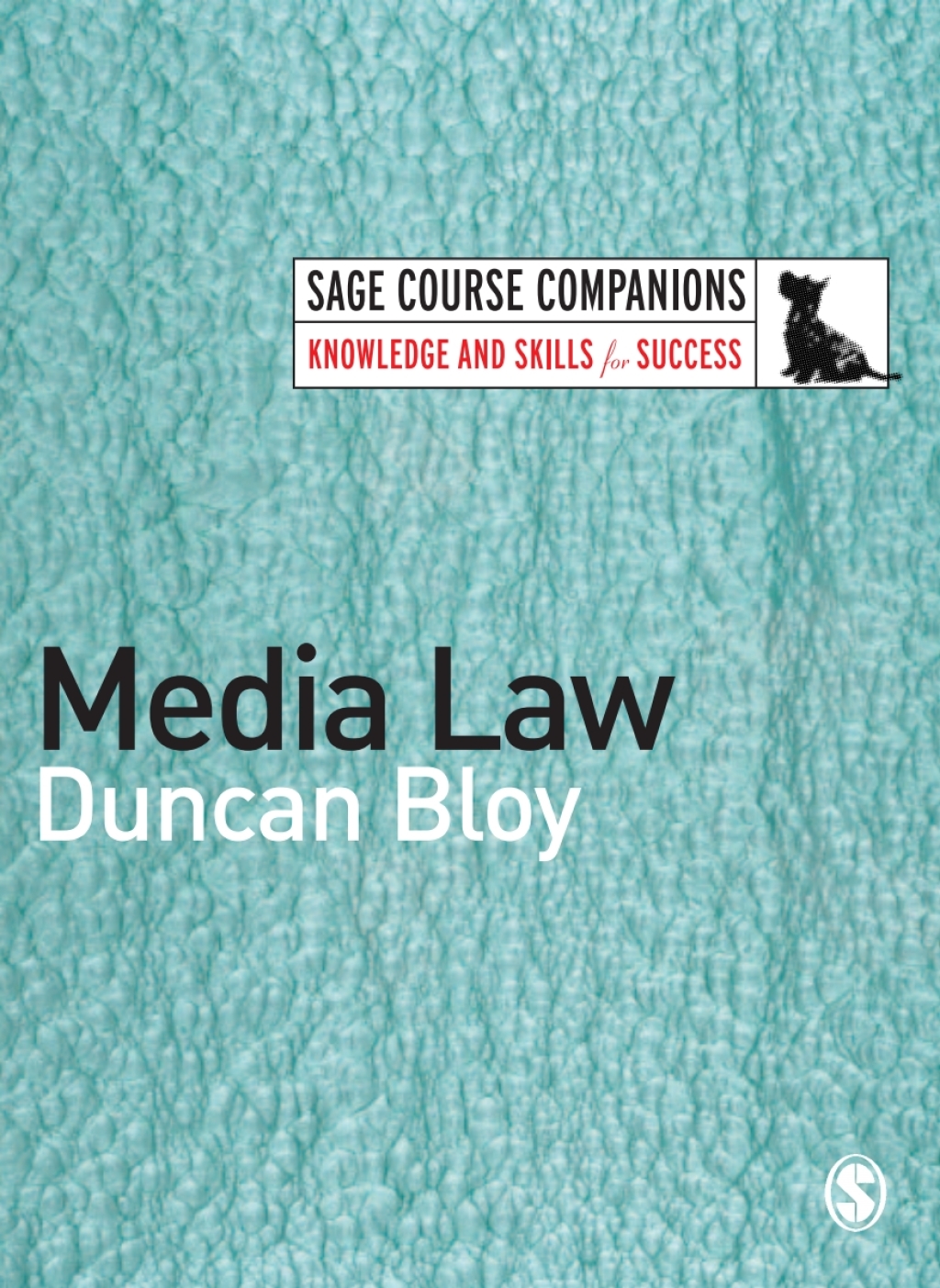
Media Law 1st Edition – PDF/EPUB Version Downloadable
$49.99
Author(s): Duncan Bloy
Publisher: Sage Publications Ltd (UK)
ISBN: 9781412911207
Edition: 1st Edition
Media Law is an essential and accessible introduction to the subject that will assist media; journalism and law students understand key concepts and aid their revision. This book, designed to complement existing textbooks will advise readers on how best to utilise the vast and ever growing array of information at their disposal. The tone and level of this guide makes it easy to follow and should prove invaluable in helping students construct assessed coursework. Established principles and contemporary developments in media law are covered and include: ” Privacy and Confidentiality ” Defamation ” Contempt of Court ” Reporting Restrictions ” Freedom of Expression ” Recent statutory and Case Law developments. Readers are shown how to research, identify and crucially apply media law principles to meet their needs and those of their examiners. This book is part of the SAGE Course Companion Series. Developed as accessible reference tools, SAGE Course Companions offer an introduction to the subject and encourage students to extend their understanding of key concepts, issues and debates.
Related products
-1st-edition-%E2%80%93-pdfepub-version-downloadable-8741-yaq5g.jpg)



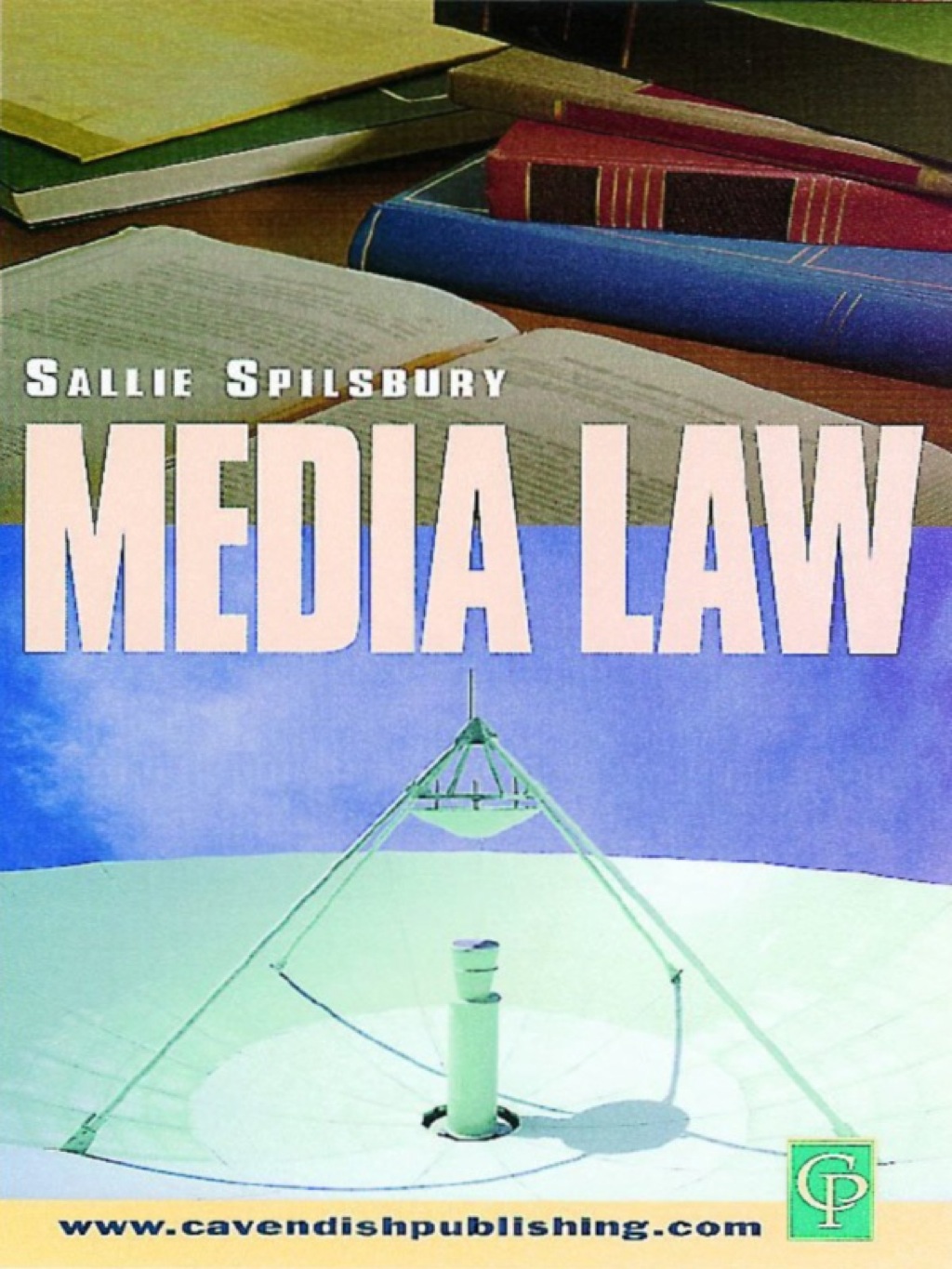
Media Law 1st Edition – PDF/EPUB Version Downloadable
$49.99
Author(s): Author
Publisher: Routledge-Cavendish
ISBN: 9781138158702
Edition: 1st Edition
The aim of this book is to analyse media law in relation to specific areas,both in terms of its practical application and its theoretical framework. Part 1 concentrates on the regulation of media content and is largely written from a pro media point of view. Its central tenet is how far does the English media enjoy freedom of expression and the way in which that impacts on how the media operates. It considers how the Human Rights Act 1998 impacts on the media. Part 2 moves on to look at the regulation of the media industries as a whole. Part 3 focuses on day to day transactions for the media. In particular it focuses on provisions from typical media agreements and aims to provide a context for the law which has been outlined in Parts 1 and 2. The structure of this book bridges the gap between a traditional textbook and practitioner work and provides a book which will be of interest to law degree and LPC students and practitioners.