
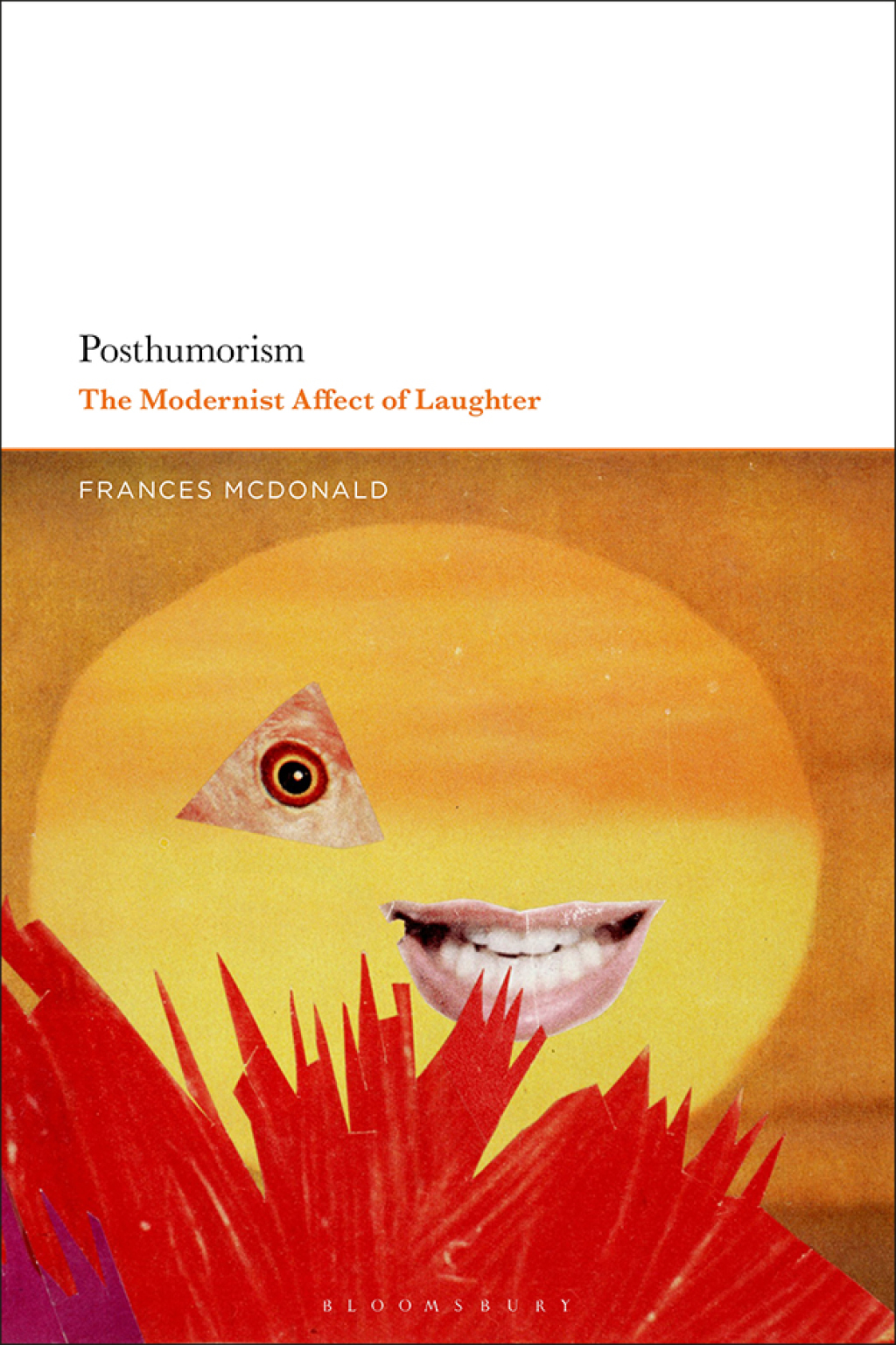
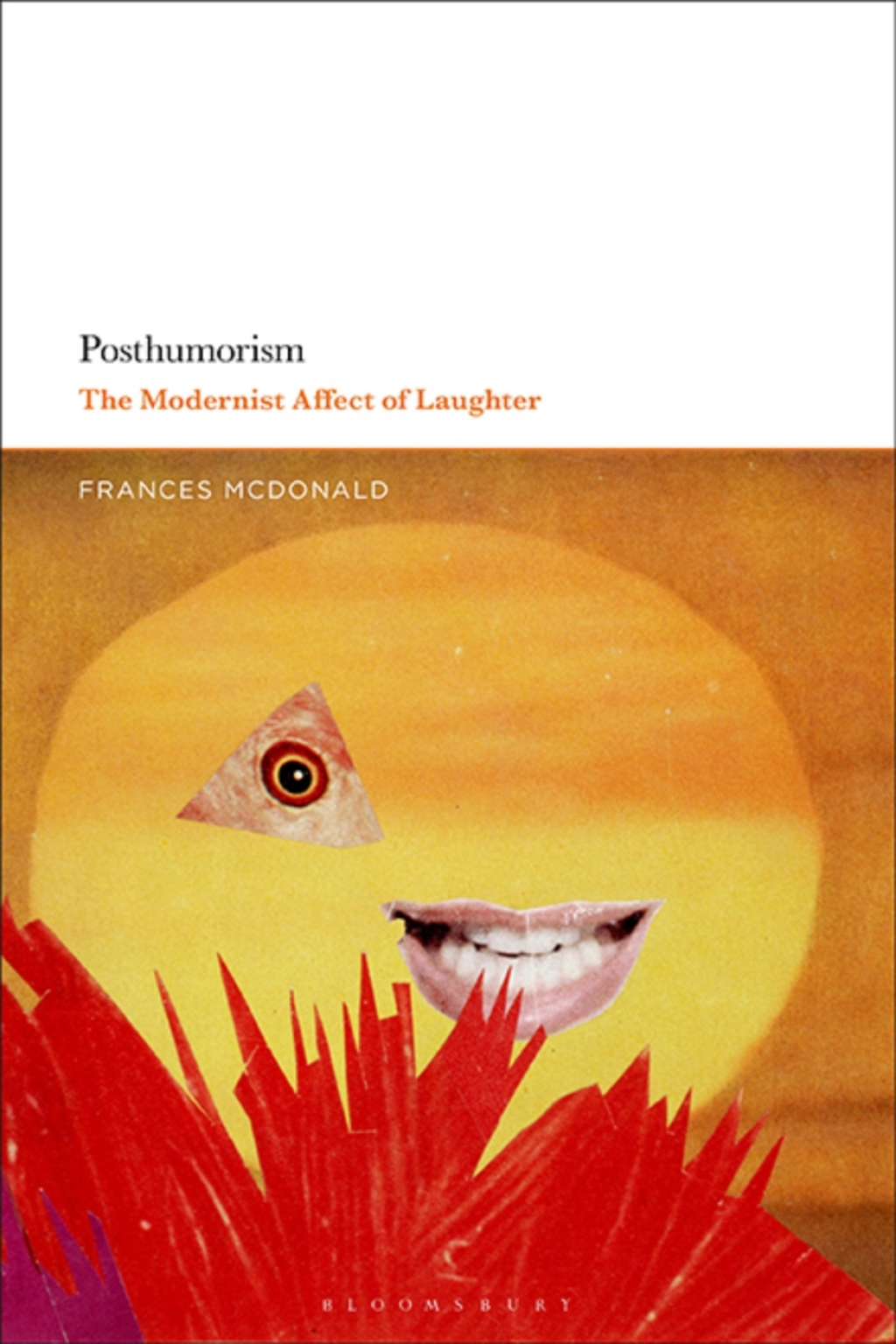
Posthumorism The Modernist Affect of Laughter 1st Edition – PDF/EPUB Version Downloadable
$49.99
Author(s): Frances McDonald
Publisher: Bloomsbury Academic
ISBN: 9781350264618
Edition: 1st Edition
Examining the multiple non-humorous meanings of laughter, this book explores a unique strain of laughter in modernism that is without humor, without humans, and without humanism. Providing a bold new theory of modernism’s affects, Posthumorism chronicles the scattered emergence of a particular strain of humorless laughter in twentieth-century literature, film, and philosophy. From William James’s trippy experiments with laughing gas to the wide-open suicide shriek of Major Kong in Stanley Kubrick’s Dr. Strangelove, modernity is strewn with examples of such laughter – defined by its ability to “crack up†and destroy, whilst opening new horizons of perception. Examining the creative operation of posthumorist laughter, this book explores how various stylists of the form-from Nathanael West and Kurt Vonnegut to Georges Bataille and Hélène Cixous-use it as a tool to unsettle, reconfigure the individual human, and shape different forms of humanist discourse.
Related products






Posthumorism The Modernist Affect of Laughter 1st Edition – PDF/EPUB Version Downloadable
$49.99
Author(s): Frances McDonald
Publisher: Bloomsbury Academic
ISBN: 9781350264618
Edition: 1st Edition
Examining the multiple non-humorous meanings of laughter, this book explores a unique strain of laughter in modernism that is without humor, without humans, and without humanism. Providing a bold new theory of modernism’s affects, Posthumorism chronicles the scattered emergence of a particular strain of humorless laughter in twentieth-century literature, film, and philosophy. From William James’s trippy experiments with laughing gas to the wide-open suicide shriek of Major Kong in Stanley Kubrick’s Dr. Strangelove, modernity is strewn with examples of such laughter – defined by its ability to “crack up†and destroy, whilst opening new horizons of perception. Examining the creative operation of posthumorist laughter, this book explores how various stylists of the form-from Nathanael West and Kurt Vonnegut to Georges Bataille and Hélène Cixous-use it as a tool to unsettle, reconfigure the individual human, and shape different forms of humanist discourse.