
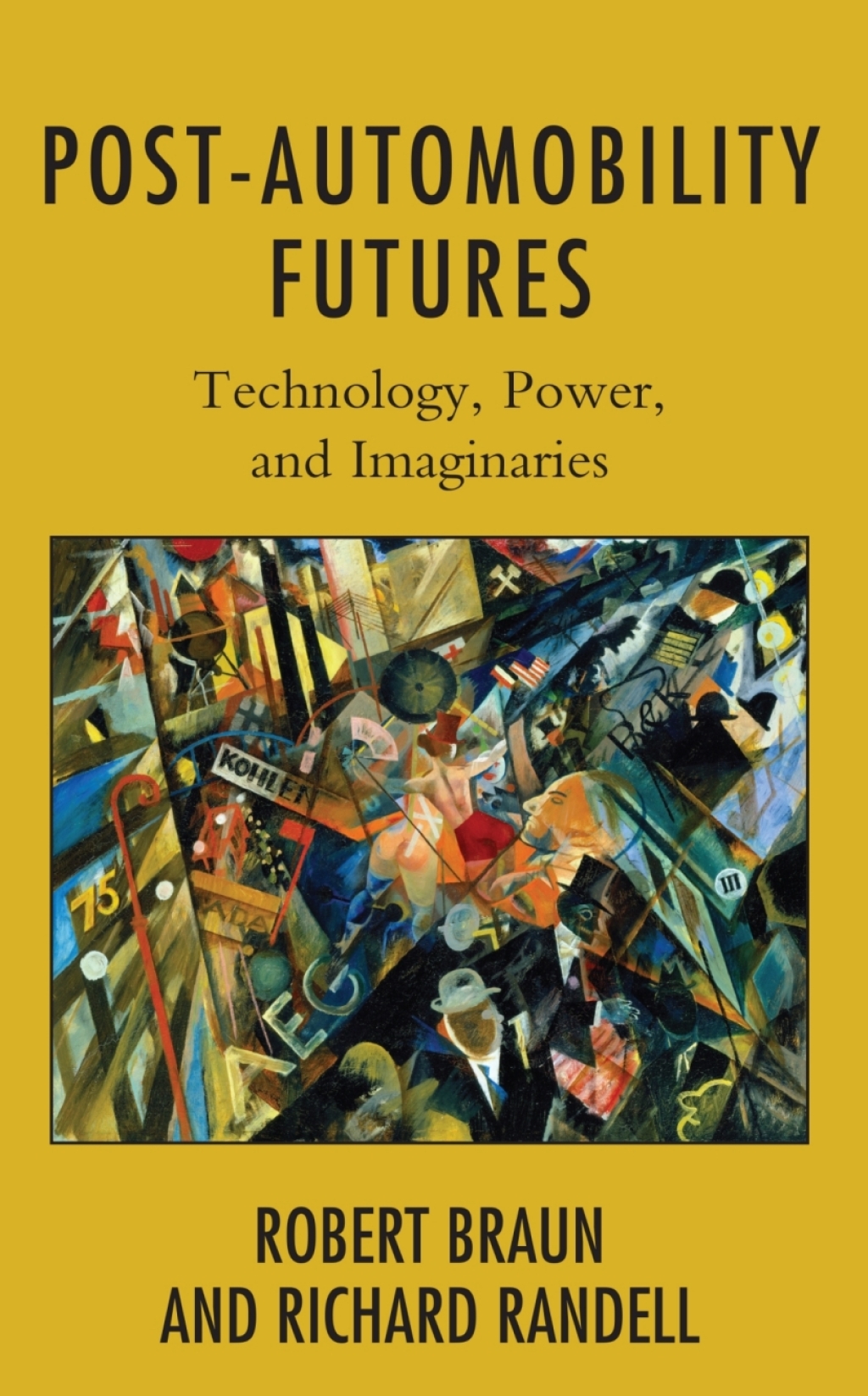


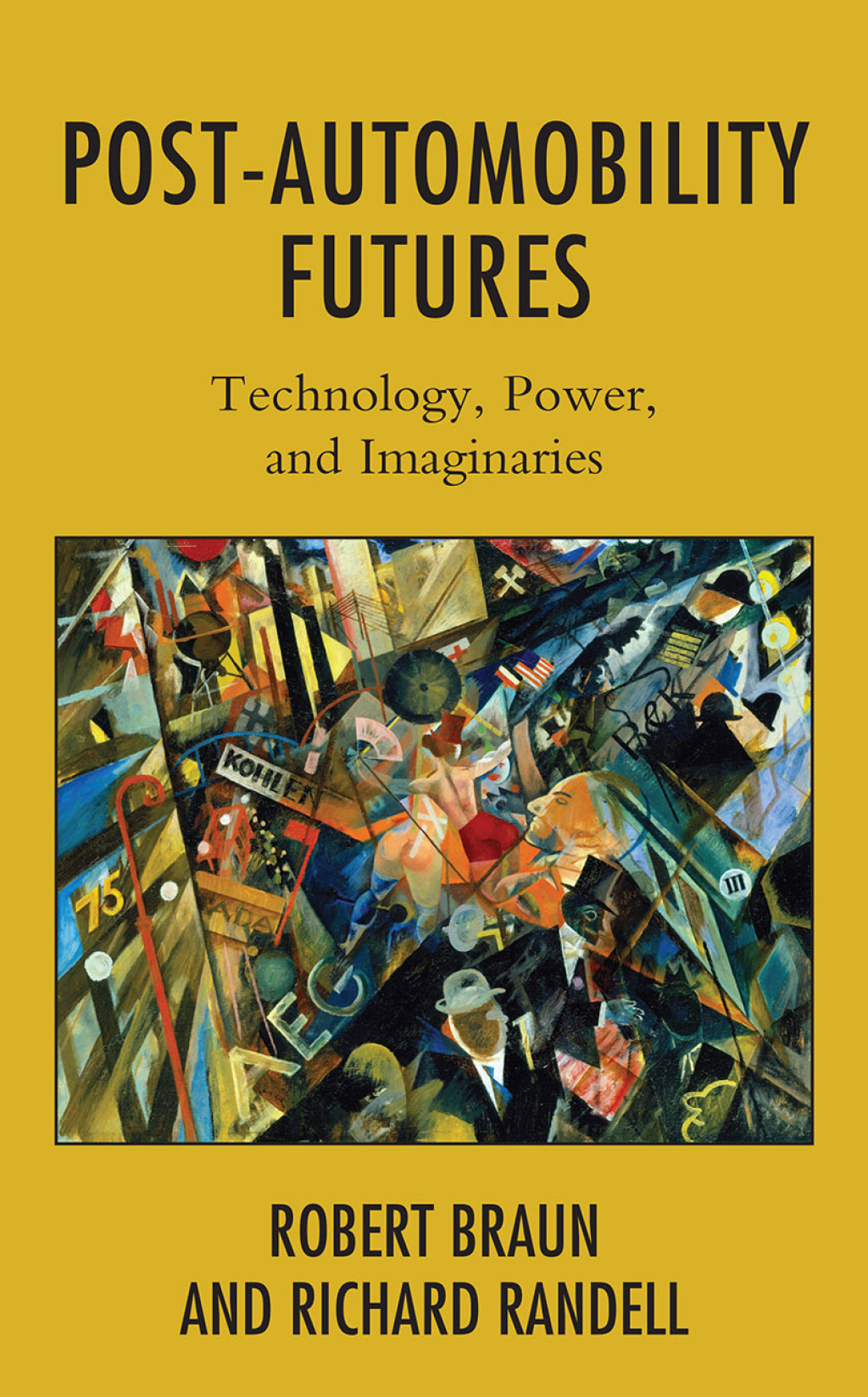
Post-Automobility Futures Technology, Power, and Imaginaries 1st Edition – PDF/EPUB Version Downloadable
$49.99
Author(s): Robert Braun; Richard Randell
Publisher: Rowman & Littlefield Publishers
ISBN: 9781538158876
Edition: 1st Edition
This book presents an in-depth phenomenological and deconstructive analysis of the automobility imaginary, which is none other than the mundane automobility reality within which we dwell in everyday life. A successful transition to a post-automobility future will require new ways of thinking about and conceptualizing automobility, one of the most significant and powerful imaginaries of contemporary neo-liberalism. This book offers such a view by reconceptualizing automobility in its entirety as both an imaginary and a dreamscape. In order to address the challenges, externalities and tragedies that automobility has brought upon us, automobility, we argue, must end as we know it.
Related products






Post-Automobility Futures Technology, Power, and Imaginaries 1st Edition – PDF/EPUB Version Downloadable
$49.99
Author(s): Robert Braun; Richard Randell
Publisher: Rowman & Littlefield Publishers
ISBN: 9781538158852
Edition: 1st Edition
This book presents an in-depth phenomenological and deconstructive analysis of the automobility imaginary, which is none other than the mundane automobility reality within which we dwell in everyday life. A successful transition to a post-automobility future will require new ways of thinking about and conceptualizing automobility, one of the most significant and powerful imaginaries of contemporary neo-liberalism. This book offers such a view by reconceptualizing automobility in its entirety as both an imaginary and a dreamscape. In order to address the challenges, externalities and tragedies that automobility has brought upon us, automobility, we argue, must end as we know it.