
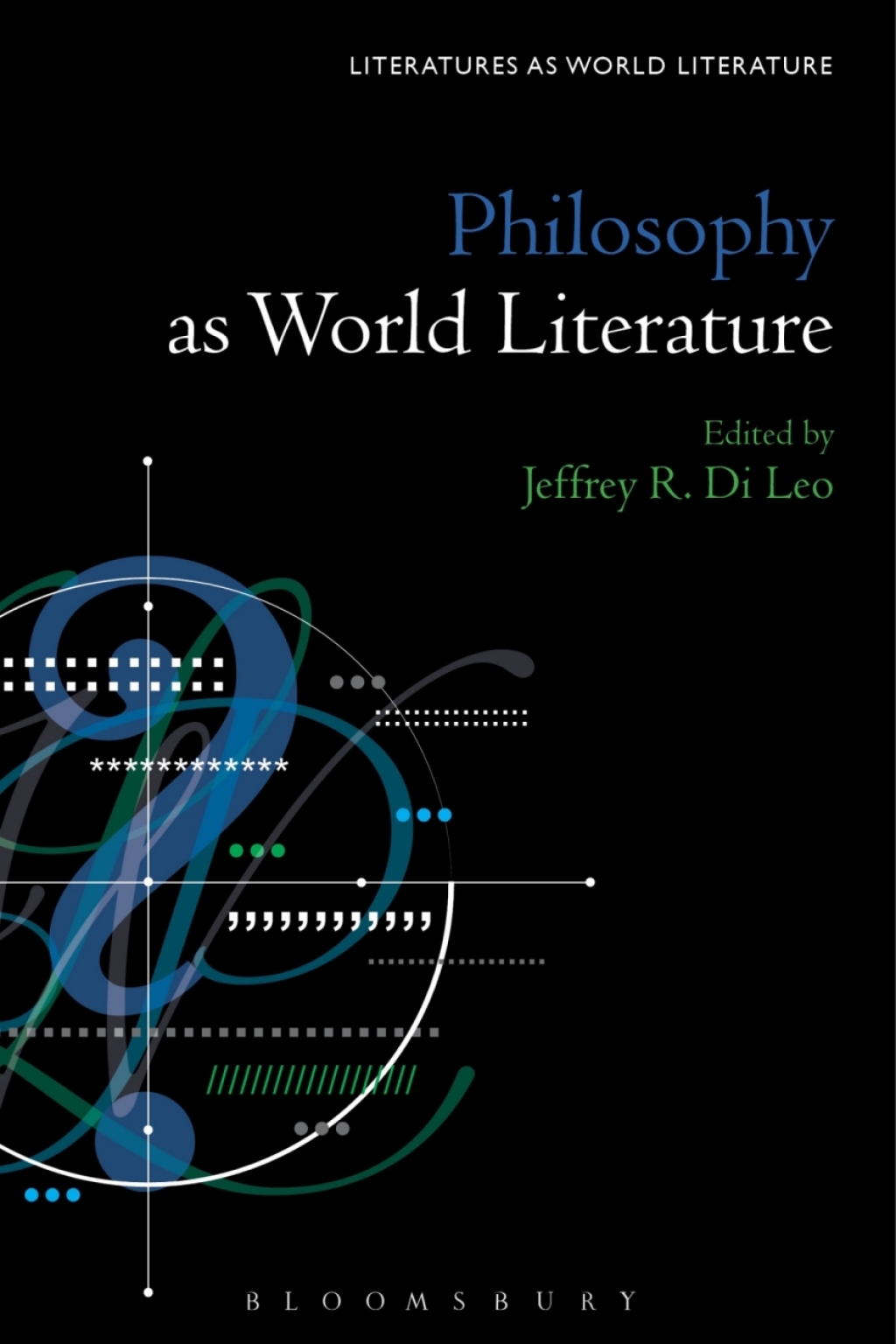
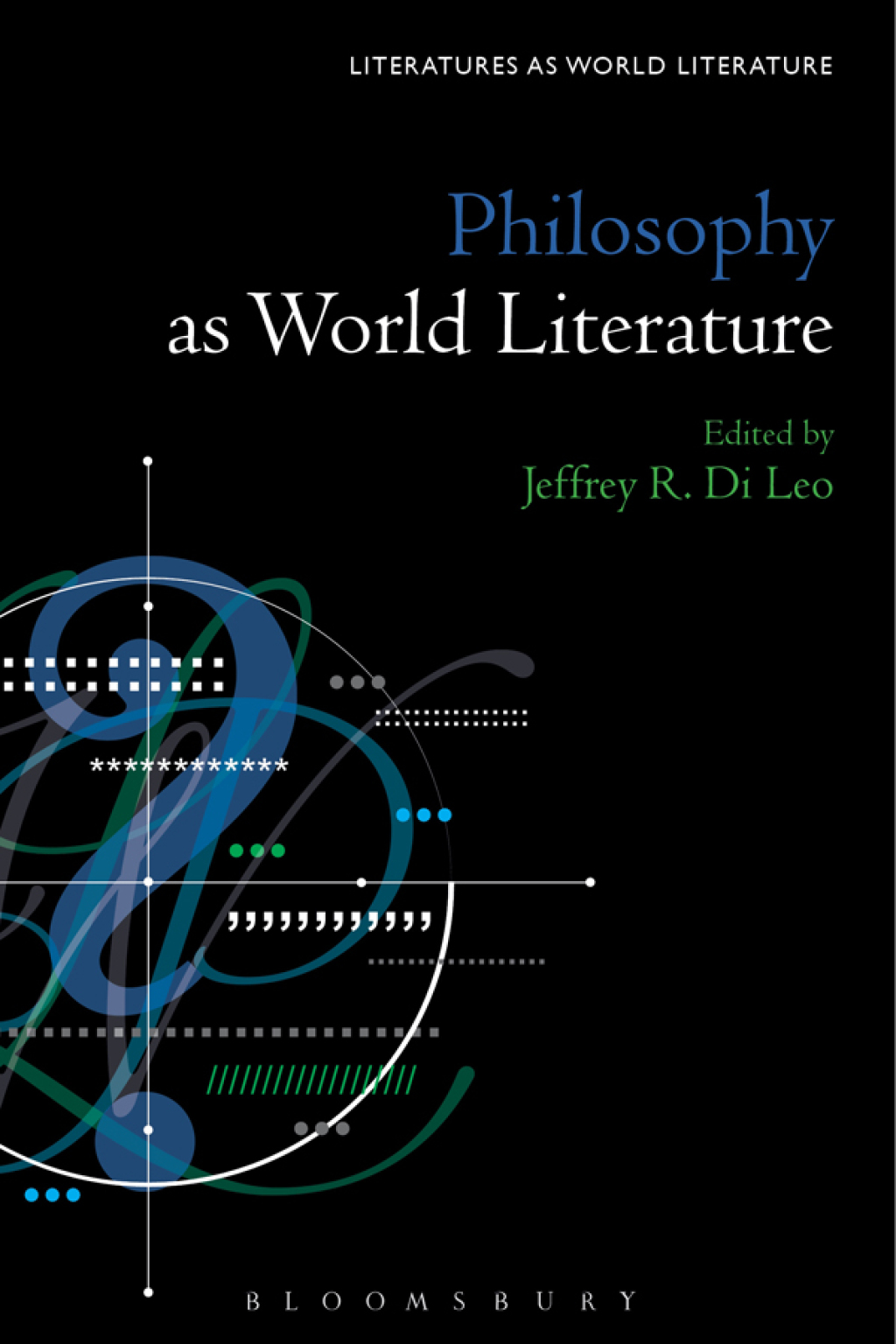
Philosophy as World Literature 1st Edition – PDF/EPUB Version Downloadable
$49.99
Author(s): Jeffrey R. Di Leo
Publisher: Bloomsbury Academic USA
ISBN: 9781501351877
Edition: 1st Edition
What does it mean to consider philosophy as a species of not just literature but world literature? The authors in this collection explore philosophy through the lens of the “worlding” of literature–that is, how philosophy is connected and reconnected through global literary networks that cross borders, mix stories, and speak in translation and dialect. Historically, much of the world’s most influential philosophy, from Plato’s dialogues and Augustine’s confessions to Nietzsche’s aphorisms and Sartre’s plays, was a form of literature–as well as, by extension, a form of world literature. Philosophy as World Literature offers a variety of accounts of how the worlding of literature problematizes the national categorizing of philosophy and brings new meanings and challenges to the discussion of intersections between philosophy and literature.
Related products

Philosophy as World Literature 1st Edition – PDF/EPUB Version Downloadable
$49.99
Author(s): Jeffrey R. Di Leo
Publisher: Bloomsbury Academic USA
ISBN: 9781501351877
Edition: 1st Edition
What does it mean to consider philosophy as a species of not just literature but world literature? The authors in this collection explore philosophy through the lens of the “worlding” of literature–that is, how philosophy is connected and reconnected through global literary networks that cross borders, mix stories, and speak in translation and dialect. Historically, much of the world’s most influential philosophy, from Plato’s dialogues and Augustine’s confessions to Nietzsche’s aphorisms and Sartre’s plays, was a form of literature–as well as, by extension, a form of world literature. Philosophy as World Literature offers a variety of accounts of how the worlding of literature problematizes the national categorizing of philosophy and brings new meanings and challenges to the discussion of intersections between philosophy and literature.