


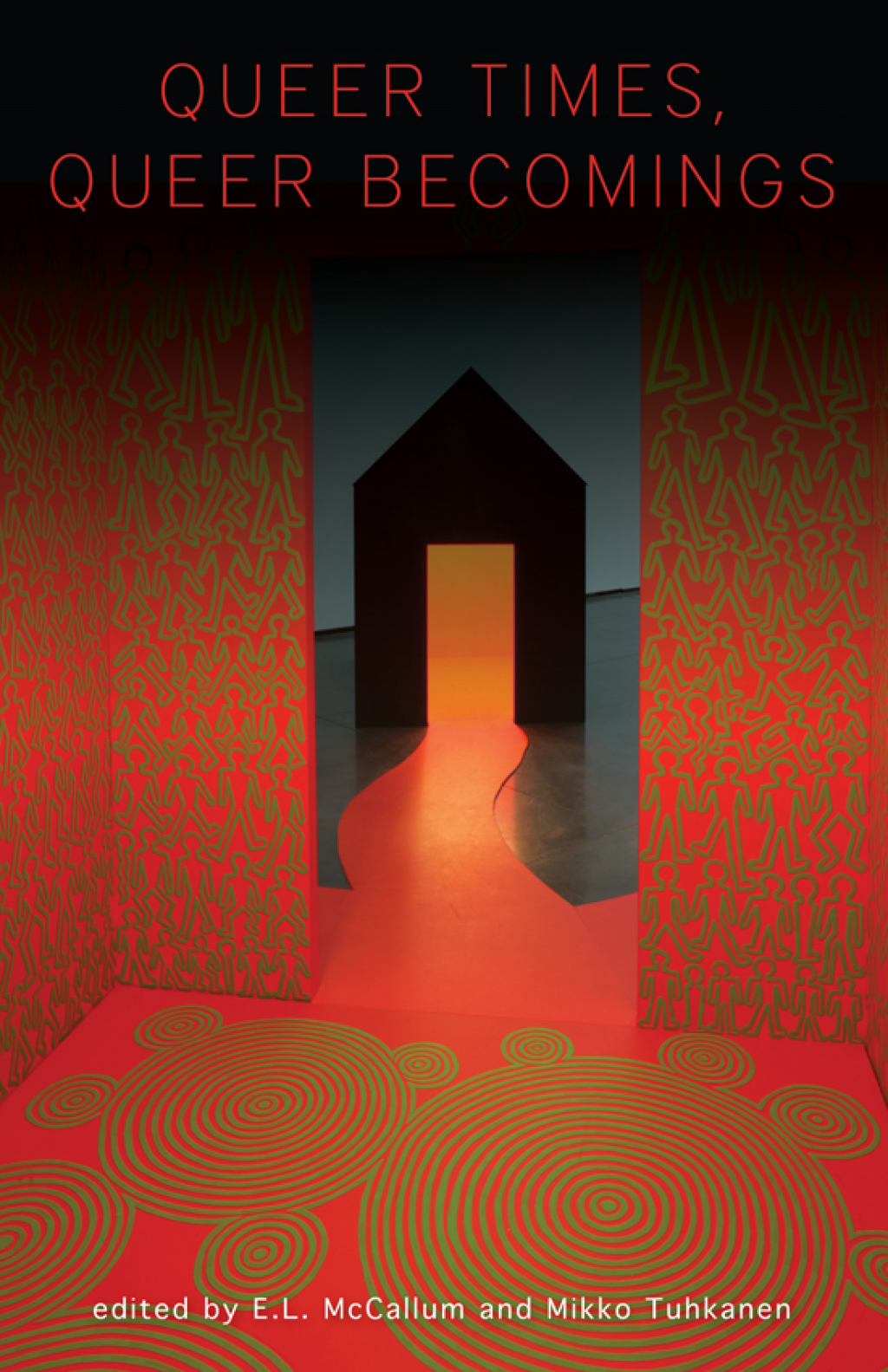

Queer Lives across the Wall Desire and Danger in Divided Berlin, 1945–1970 1st Edition – PDF/EPUB Version Downloadable
$49.99
Author(s): Andrea Rottmann
Publisher: University of Toronto Press
ISBN: 9781487547806
Edition: 1st Edition
Queer Lives across the Wall examines the everyday lives of queer Berliners between 1945 and 1970, tracing private and public queer life from the end of the Nazi regime through the gay and lesbian liberation movements of the 1970s.
Andrea Rottmann explores how certain spaces – including homes, bars, streets, parks, and prisons – facilitated and restricted queer lives in the overwhelmingly conservative climate that characterized both German postwar states. With a theoretical toolkit informed by feminist, queer, and spatial theories, the book goes beyond previous histories that focus on state surveillance and the persecution of male homosexuality.
Related products
-1st-edition-%E2%80%93-pdfepub-version-downloadable-8741-yaq5g.jpg)






Queer Lives across the Wall Desire and Danger in Divided Berlin, 1945–1970 1st Edition – PDF/EPUB Version Downloadable
$49.99
Author(s): Andrea Rottmann
Publisher: University of Toronto Press
ISBN: 9781487547806
Edition: 1st Edition
Queer Lives across the Wall examines the everyday lives of queer Berliners between 1945 and 1970, tracing private and public queer life from the end of the Nazi regime through the gay and lesbian liberation movements of the 1970s.
Andrea Rottmann explores how certain spaces – including homes, bars, streets, parks, and prisons – facilitated and restricted queer lives in the overwhelmingly conservative climate that characterized both German postwar states. With a theoretical toolkit informed by feminist, queer, and spatial theories, the book goes beyond previous histories that focus on state surveillance and the persecution of male homosexuality.