
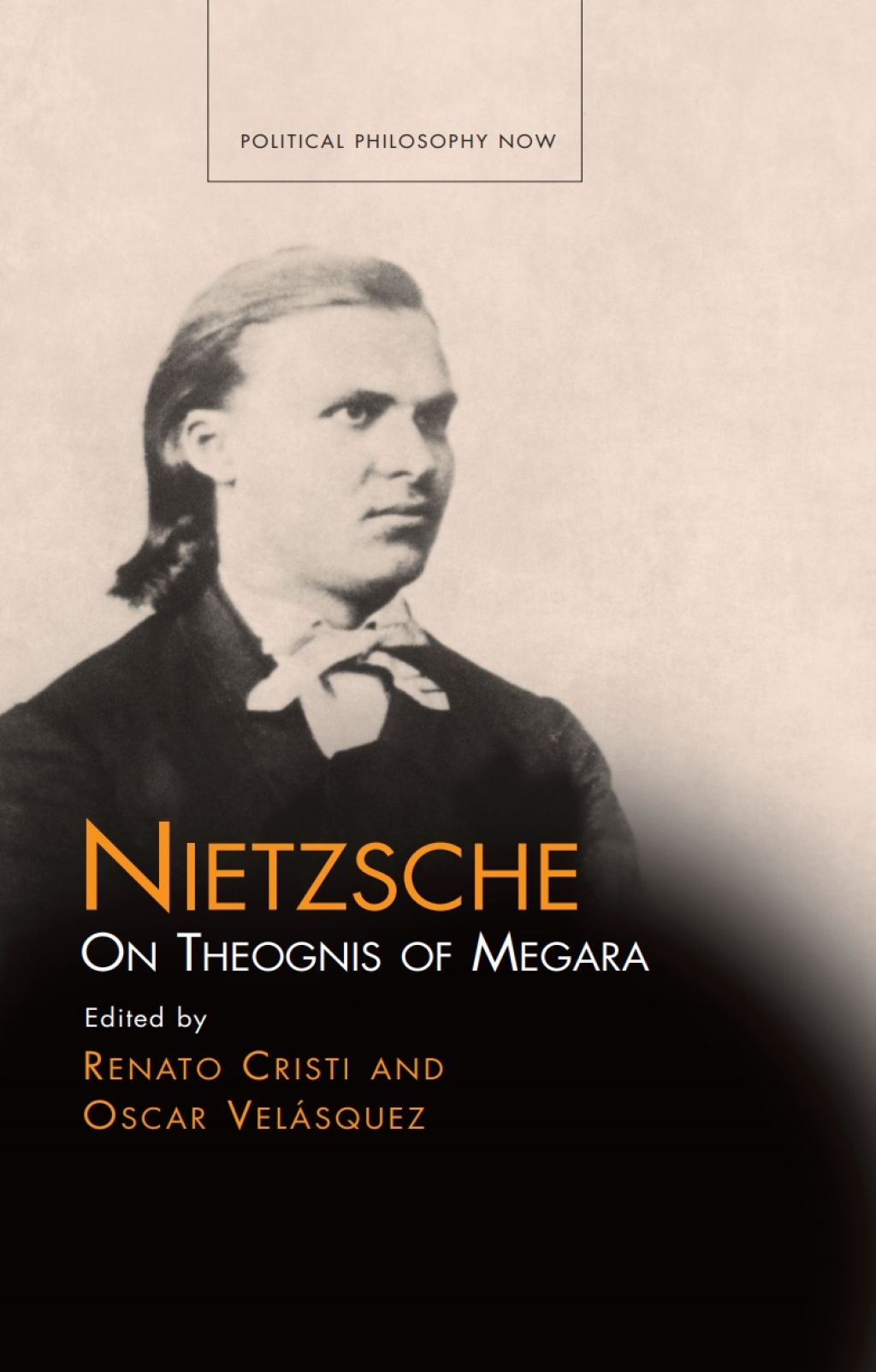
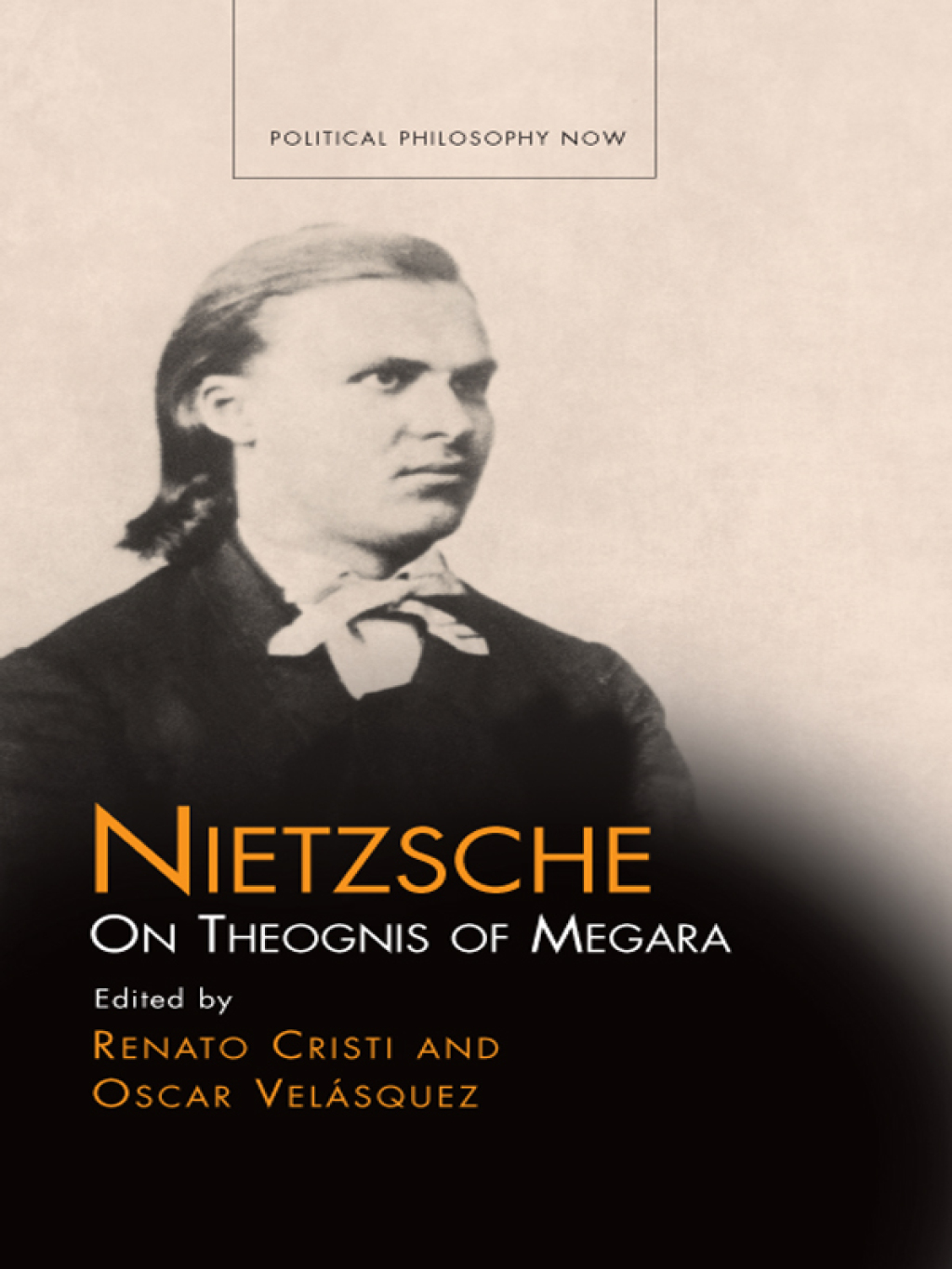
Nietzsche On Theognis of Megara 1st Edition – PDF/EPUB Version Downloadable
$49.99
Author(s): Cristi, Renato
Publisher: University of Wales Press
ISBN: 9781783168033
Edition: 1st Edition
The topic chosen by Nietzsche for his Pforta dissertation was Theognis, his life in Megara, his lyrical production, and his views on the gods, morality and politics. Nietzsche saw Theognis as the intellectual champion of the defeated Megarian aristocracy, who sought to preserve the Dorian spirit and its noble virtues. The interests that guided Nietzsche transcended scientific philology and embraced a concern for the social and political context he adumbrated in the Theognidea. The editors of this volume refer to this novel standpoint as constituting a rudimentary political philology, showing that Theognis’ aristocratism determined and guided Nietzsche’s critique of the moral point of view and his conception of an aristocratic state.
Contents
Introduction: Nietzsche’s Aristocratism by Renato Cristi
Part I: Theognis and Nietzsche’s Aristocratism
Part II. Nietzsche’s Aristocratic Ethics: Command and Obedience
Part III. Nietzsche’s Aristocratic Radicalism: Charismatic Authority
Nietzsche, On Theognis of Megara (De Theognide Megarensi), translated by Oscar Velásquez
Nietzsche, Studies on Theognis (Studien zu Theognis), translated by Manuel Knoll & Renato Cristi
Related products





Nietzsche On Theognis of Megara 1st Edition – PDF/EPUB Version Downloadable
$49.99
Author(s): Renato Cristi and Oscar Velásquez
Publisher: University of Wales Press
ISBN: 9781783168019
Edition: 1st Edition
The topic chosen by Nietzsche for his Pforta dissertation was Theognis, his life in Megara, his lyrical production, and his views on the gods, morality and politics. Nietzsche saw Theognis as the intellectual champion of the defeated Megarian aristocracy, who sought to preserve the Dorian spirit and its noble virtues. The interests that guided Nietzsche transcended scientific philology and embraced a concern for the social and political context he adumbrated in the Theognidea. The editors of this volume refer to this novel standpoint as constituting a rudimentary political philology, showing that Theognis’ aristocratism determined and guided Nietzsche’s critique of the moral point of view and his conception of an aristocratic state.
-1st-edition-%E2%80%93-pdfepub-version-downloadable-8741-yaq5g.jpg)