
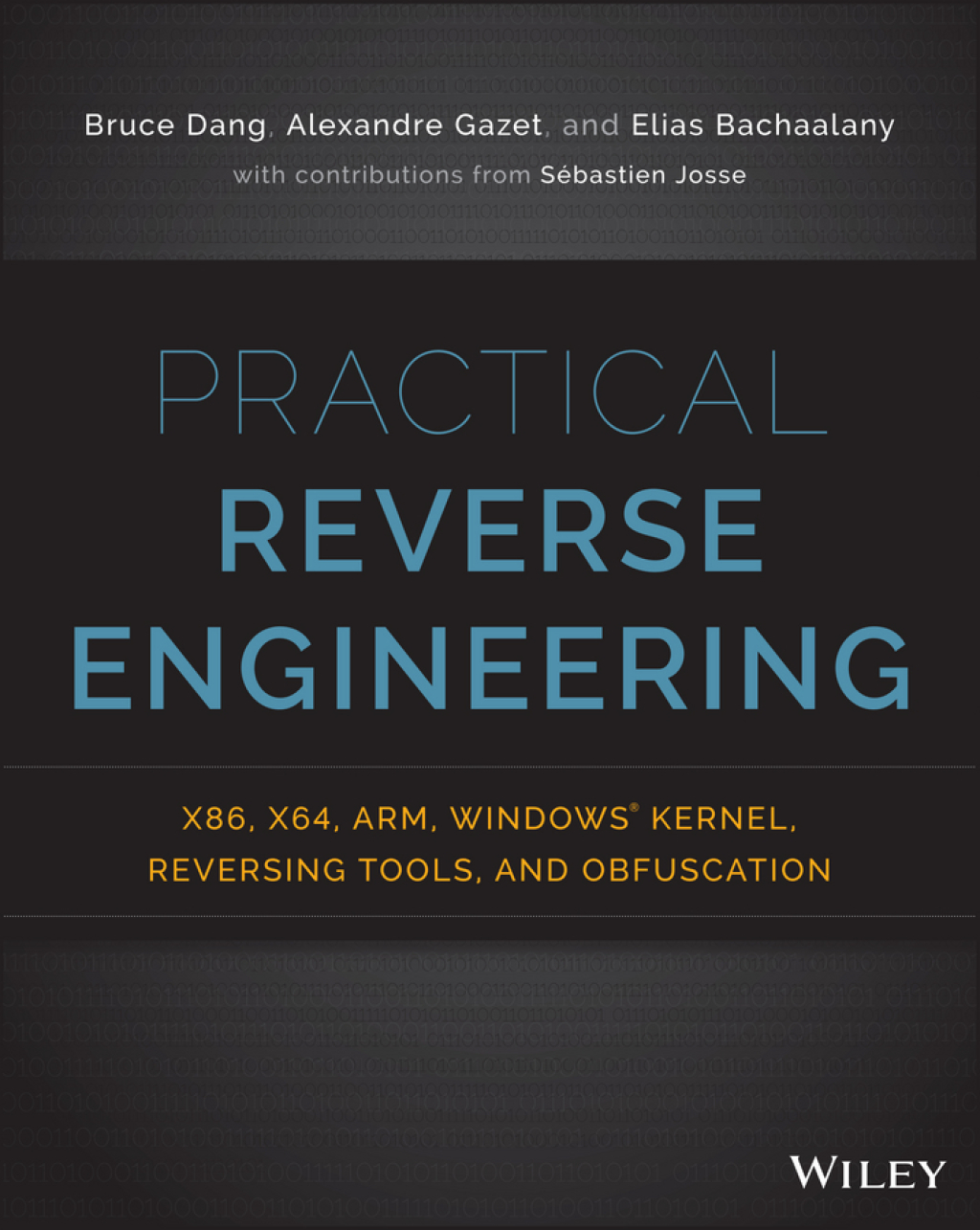
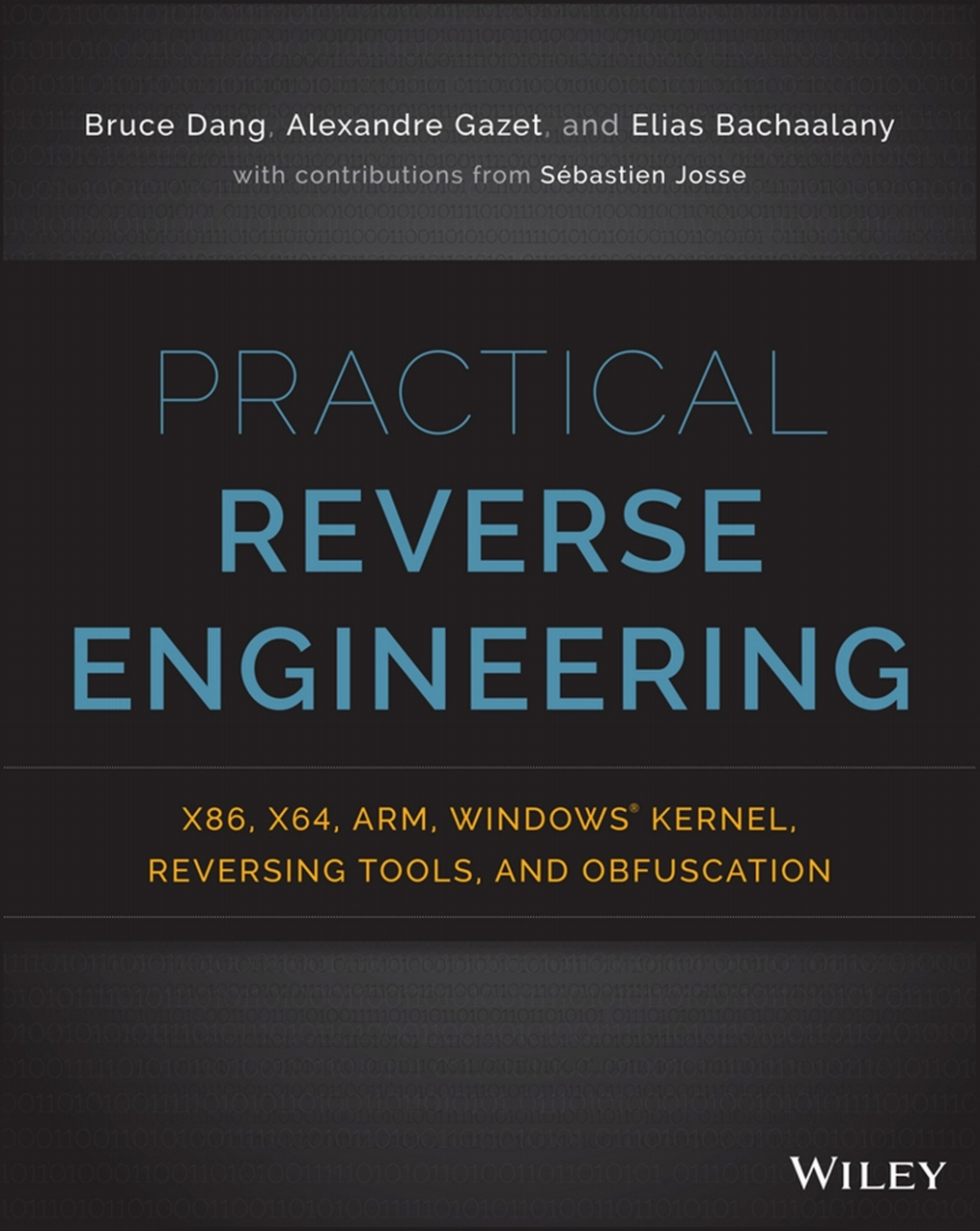
Practical Reverse Engineering x86, x64, ARM, Windows Kernel, Reversing Tools, and Obfuscation 1st Edition – PDF/EPUB Version Downloadable
$49.99
Author(s): Bruce Dang
Publisher: John Wiley & Sons P&T
ISBN: 9781118787311
Edition: 1st Edition
Analyzing how hacks are done, so as to stop them in the future Reverse engineering is the process of analyzing hardware or software and understanding it, without having access to the source code or design documents. Hackers are able to reverse engineer systems and exploit what they find with scary results. Now the good guys can use the same tools to thwart these threats. Practical Reverse Engineering goes under the hood of reverse engineering for security analysts, security engineers, and system programmers, so they can learn how to use these same processes to stop hackers in their tracks. The book covers x86, x64, and ARM (the first book to cover all three); Windows kernel-mode code rootkits and drivers; virtual machine protection techniques; and much more. Best of all, it offers a systematic approach to the material, with plenty of hands-on exercises and real-world examples. Offers a systematic approach to understanding reverse engineering, with hands-on exercises and real-world examples Covers x86, x64, and advanced RISC machine (ARM) architectures as well as deobfuscation and virtual machine protection techniques Provides special coverage of Windows kernel-mode code (rootkits/drivers), a topic not often covered elsewhere, and explains how to analyze drivers step by step Demystifies topics that have a steep learning curve Includes a bonus chapter on reverse engineering tools Practical Reverse Engineering: Using x86, x64, ARM, Windows Kernel, and Reversing Tools provides crucial, up-to-date guidance for a broad range of IT professionals.
Related products




Practical Reverse Engineering: x86, x64, ARM, Windows Kernel, Reversing Tools, and Obfuscation 1st Edition – PDF/EPUB Version Downloadable
$49.99
Author(s): Bruce Dang
Publisher: John Wiley & Sons P&T
ISBN: 9781118787311
Edition: 1st Edition
This book providesa systematic approach to reverse engineering. Reverse engineering is not about reading assembly code, but actually understanding how different pieces/components in a system work. To reverse engineer a system is to understand how it is constructed and how it works. The book provides: Coverage of x86, x64, and ARM. In the past x86was the most common architecture on the PC; however, times have changed and x64 is becoming the dominant architecture. It brings new complexity and constructs previously not present in x86. ARM (Advanced RISC Machine) is very common in embedded / consumer electronic devices; for example, most if not all cell phones run on ARM. All of apples i-devices run on ARM. This book will be the first book to cover all three. Discussion of Windows kernel-mode code (rootkits/drivers). This topic has a steep learning curve so most practitioners stay away from this area because it is highly complex. However, this book will provide a concise treatment of this topic and explain how to analyze drivers step-by-step. The book uses real world examples from the public domain. The best way to learn is through a combination of concept discussions, examples, and exercises. This book uses real-world trojans / rootkits as examples congruent with real-life scenarios Hands-on exercises. End-of-chapter exercises in the form of conceptual questions and hands-on analysis so so readers can solidify their understanding of the concepts and build confidence. The exercises are also meant to teach readers about topics not covered in the book.
-1st-edition-%E2%80%93-pdfepub-version-downloadable-8741-yaq5g.jpg)
-1st-edition-%E2%80%93-pdfepub-version-downloadable-4292-c4gaw.jpg)