
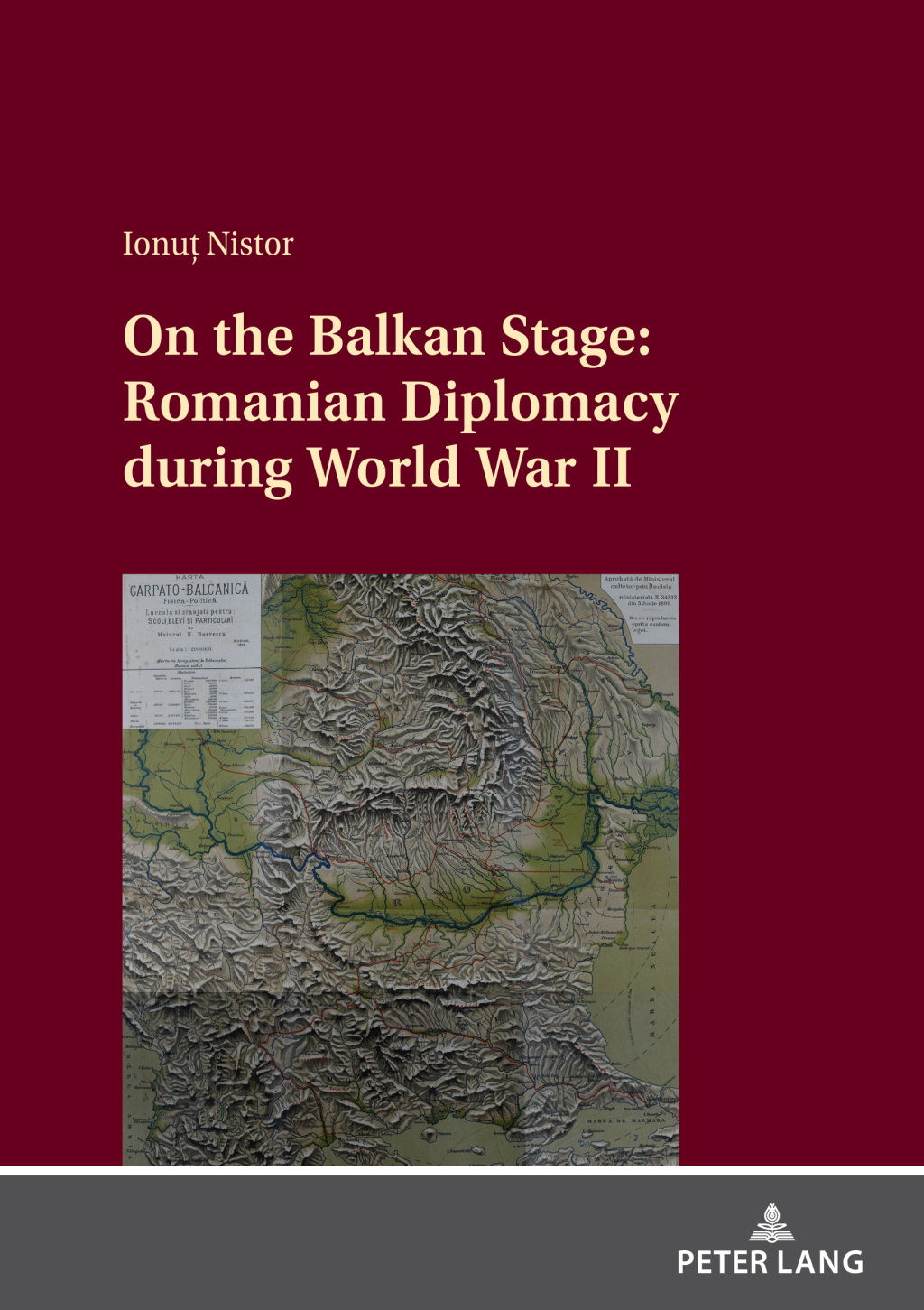
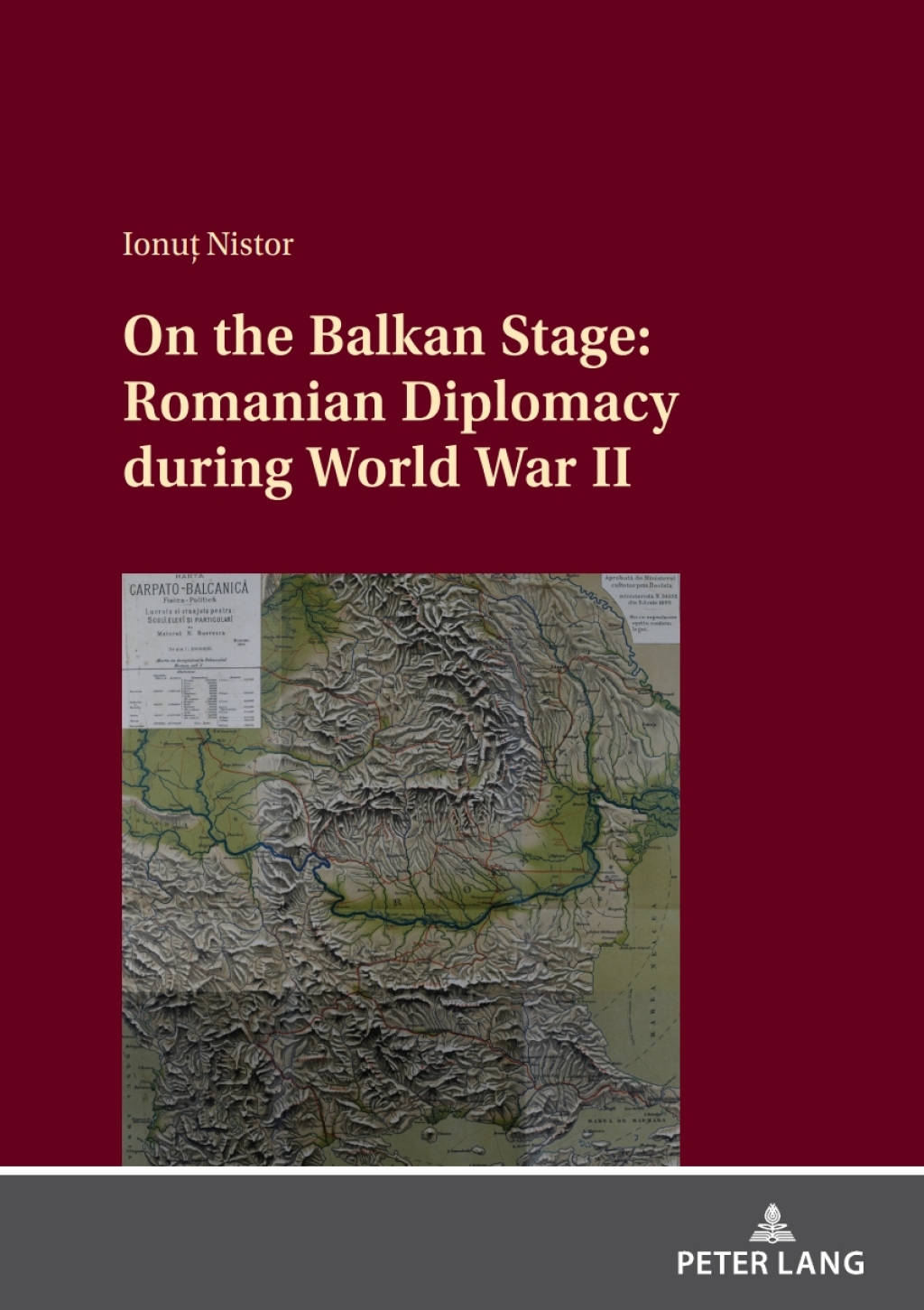
On the Balkan Stage: Romanian Diplomacy during World War II 1st Edition – PDF/EPUB Version Downloadable
$49.99
Author(s): IonuÈ› Nistor
Publisher: Peter Lang GmbH, Internationaler Verlag der Wissenschaften
ISBN: 9783631915370
Edition: 1st Edition
Who were Romania’s diplomatic representatives in the Balkans during the Second World War? How did they select and forward information? What personal mark did they add to negotiations and diplomatic notes? What was the relationship between the career diplomats and the political authorities in Romania in the context of a dictatorial regime in Bucharest? These are just some of the questions the book aims at providing answers to. Moreover, this “questionnaire†applied to the Balkans does not only elicit answers that reflect developments and processes in the area. It allows reflections on the broader decision-making architecture, on the entire Romanian foreign policy of that period and on the functioning mechanisms of the Ministry of Foreign Affairs in relation to the rigours of a totalitarian state.
Related products
-1st-edition-%E2%80%93-pdfepub-version-downloadable-8741-yaq5g.jpg)


On the Balkan Stage: Romanian Diplomacy during World War II 1st Edition – PDF/EPUB Version Downloadable
$49.99
Author(s): IonuÈ› Nistor
Publisher: Peter Lang GmbH, Internationaler Verlag der Wissenschaften
ISBN: 9783631915370
Edition: 1st Edition
Who were Romania’s diplomatic representatives in the Balkans during the Second World War? How did they select and forward information? What personal mark did they add to negotiations and diplomatic notes? What was the relationship between the career diplomats and the political authorities in Romania in the context of a dictatorial regime in Bucharest? These are just some of the questions the book aims at providing answers to. Moreover, this “questionnaire†applied to the Balkans does not only elicit answers that reflect developments and processes in the area. It allows reflections on the broader decision-making architecture, on the entire Romanian foreign policy of that period and on the functioning mechanisms of the Ministry of Foreign Affairs in relation to the rigours of a totalitarian state.
-1st-edition-%E2%80%93-pdfepub-version-downloadable-4292-c4gaw.jpg)