
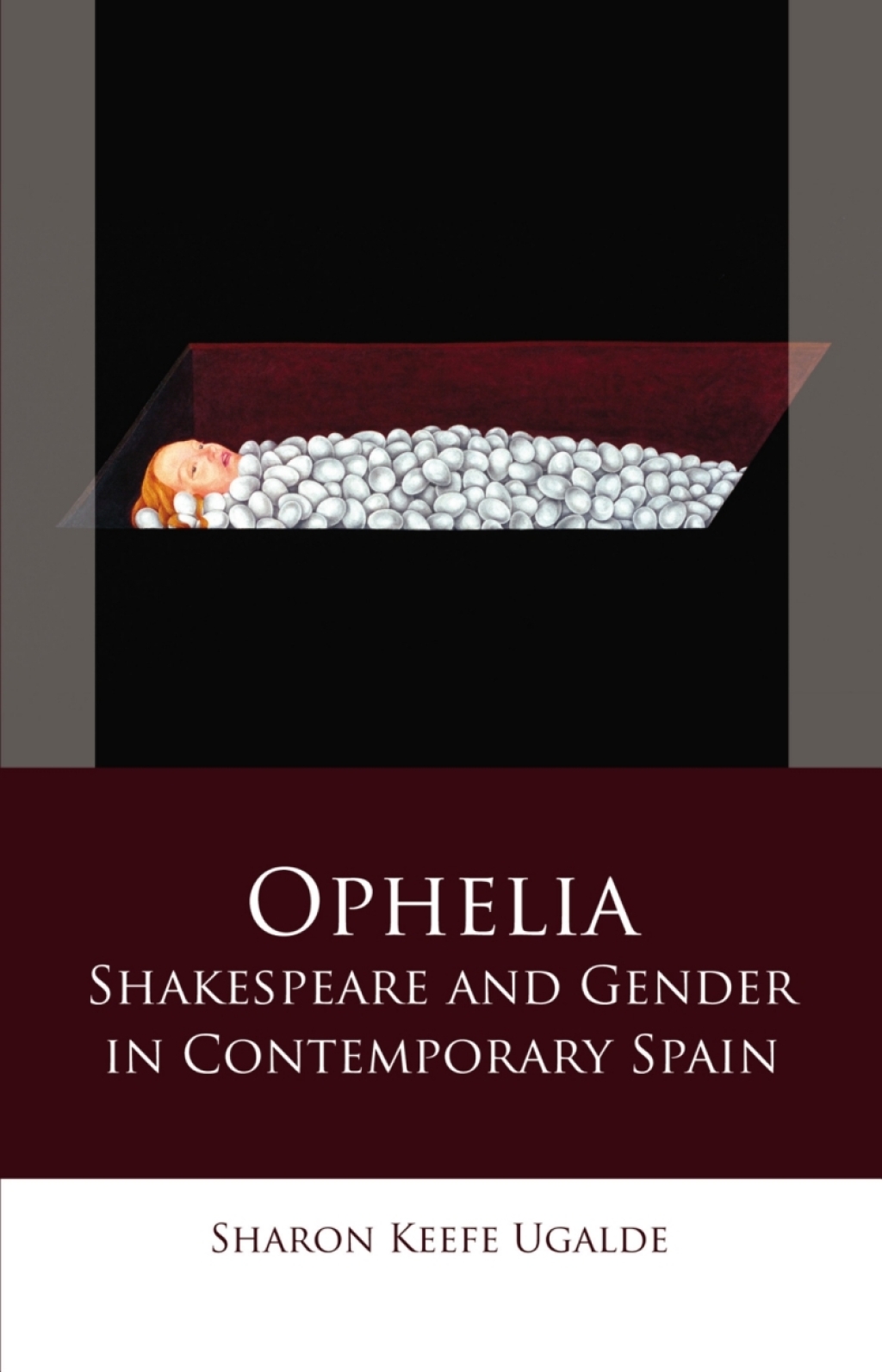
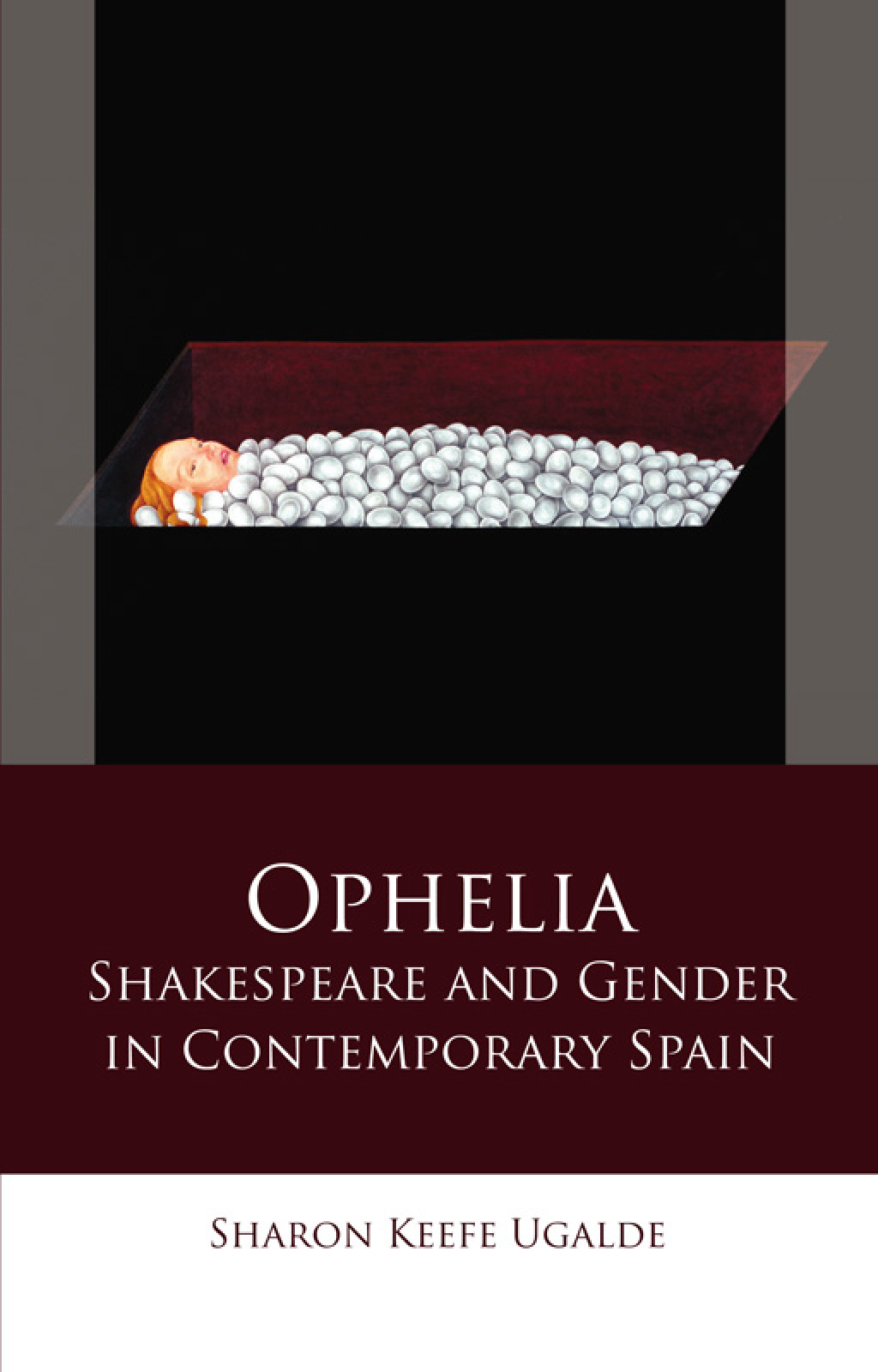
Ophelia Shakespeare and Gender in Contemporary Spain 1st Edition – PDF/EPUB Version Downloadable
$49.99
Author(s): Sharon Keefe Ugalde
Publisher: University of Wales Press
ISBN: 9781786836014
Edition: 1st Edition
It is astonishing how deeply the figure of Ophelia has been woven into the fabric of Spanish literature and the visual arts – from her first appearance in eighteenth-century translations of Hamlet, through depictions by seminal authors such as Espronceda, Bécquer and Lorca, to turn-of-the millennium figurations. This provocative, gendered figure has become what both male and female artists need her to be – is she invisible, a victim, mad, controlled by the masculine gaze, or is she an agent of her own identity? This well-documented study addresses these questions in the context of Iberia, whose poets, novelists and dramatists writing in Spanish, Catalan and Galician, as well as painters and photographers, have brought Shakespeare’s heroine to life in new guises. Ophelia performs as an authoritative female author, as new perspectives reflect and authorise the gender diversity that has gained legitimacy in Spanish society since the political Transition.
Related products


Ophelia Shakespeare and Gender in Contemporary Spain 1st Edition – PDF/EPUB Version Downloadable
$49.99
Author(s): Sharon Keefe Ugalde
Publisher: University of Wales Press
ISBN: 9781786836014
Edition: 1st Edition
It is astonishing how deeply the figure of Ophelia has been woven into the fabric of Spanish literature and the visual arts – from her first appearance in eighteenth-century translations of Hamlet, through depictions by seminal authors such as Espronceda, Bécquer and Lorca, to turn-of-the millennium figurations. This provocative, gendered figure has become what both male and female artists need her to be – is she invisible, a victim, mad, controlled by the masculine gaze, or is she an agent of her own identity? This well-documented study addresses these questions in the context of Iberia, whose poets, novelists and dramatists writing in Spanish, Catalan and Galician, as well as painters and photographers, have brought Shakespeare’s heroine to life in new guises. Ophelia performs as an authoritative female author, as new perspectives reflect and authorise the gender diversity that has gained legitimacy in Spanish society since the political Transition.