
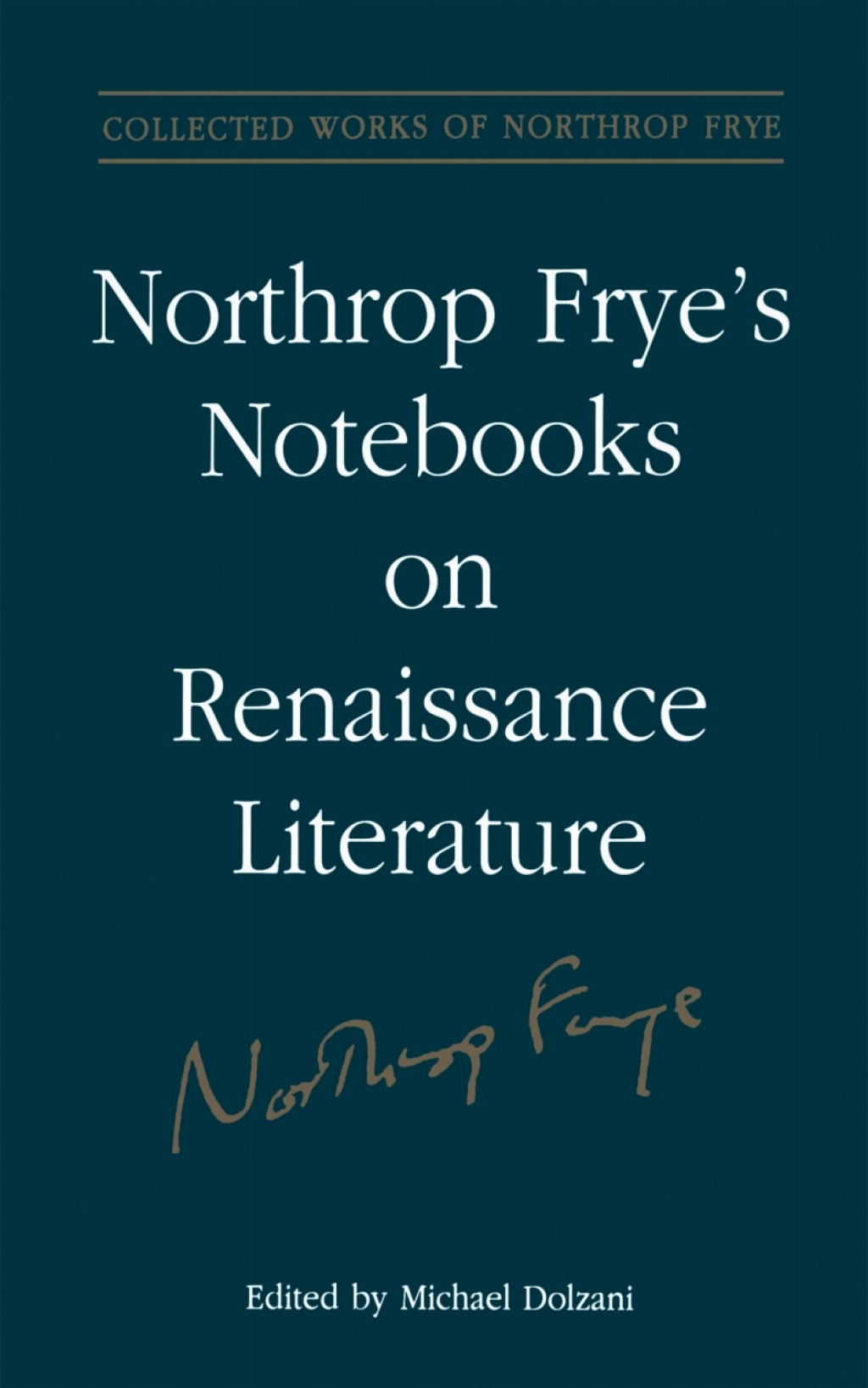

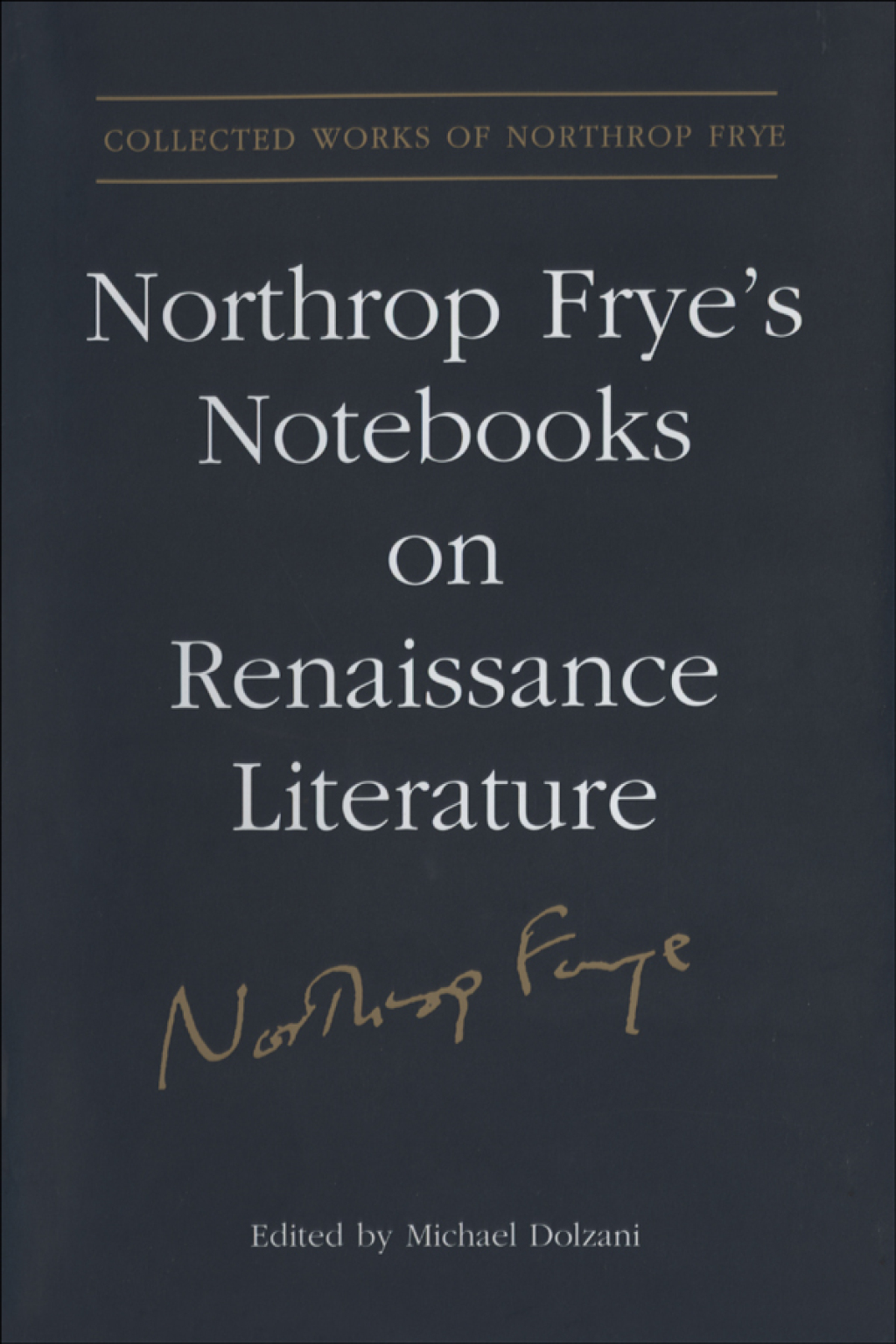
Northrop Frye’s Notebooks on Renaissance Literature 1st Edition – PDF/EPUB Version Downloadable
$49.99
Author(s):
Publisher: University of Toronto Press
ISBN: 9781442657649
Edition: 1st Edition
Although Northrop Frye’s first book, Fearful Symmetry (1947), elevated the reputation of William Blake from the status of a minor eccentric to that of a major Romantic poet, Frye in fact saw Blake as a poet (and, consequently, himself as a critic) not of the Romantic period, but of the Renaissance. As such, Frye’s meditations on the Renaissance are particularly valuable. This volume collects six of Frye’s notebooks and five sets of his typed notes on subjects related to Renaissance literature.
Michael Dolzani divides these notes into three categories: those on Spenser and the epic tradition; those on Shakespearean drama and, more widely, the dramatic tradition from Old Comedy to the masque; and those on lyric poetry and non-fiction prose. The organization of this volume reflects ‘a comprehensive study of Renaissance Symbolism’ in three volumes, which Frye proposed to the Guggenheim Foundation in 1949. Frye received a Guggenheim fellowship, but never wrote the book; nevertheless, his application, part of which is also included here, is an important document. The Guggenheim application not only reveals the outlines of Frye’s thinking about literature, it also uncovers his plans for his future creative life during the crucial period between his completion of Fearful Symmetry and his absorption in the writing of Anatomy of Criticism.
In addition to providing insight into Frye’s thinking process, the material collected into this key volume in the Collected Works is of particular importance because much of it has no direct counterpart in any of Frye’s other published works.
Related products



-%E2%80%93-pdfepub-version-downloadable-3013-rpjpb.jpg)
Northrop Frye’s Notebooks on Renaissance Literature 1st Edition – PDF/EPUB Version Downloadable
$49.99
Author(s): Michael Dolzani
Publisher: University of Toronto Press
ISBN: 9781442657649
Edition: 1st Edition
Although Northrop Frye’s first book, Fearful Symmetry (1947), elevated the reputation of William Blake from the status of a minor eccentric to that of a major Romantic poet, Frye in fact saw Blake as a poet (and, consequently, himself as a critic) not of the Romantic period, but of the Renaissance. As such, Frye’s meditations on the Renaissance are particularly valuable. This volume collects six of Frye’s notebooks and five sets of his typed notes on subjects related to Renaissance literature.
Michael Dolzani divides these notes into three categories: those on Spenser and the epic tradition; those on Shakespearean drama and, more widely, the dramatic tradition from Old Comedy to the masque; and those on lyric poetry and non-fiction prose. The organization of this volume reflects ‘a comprehensive study of Renaissance Symbolism’ in three volumes, which Frye proposed to the Guggenheim Foundation in 1949. Frye received a Guggenheim fellowship, but never wrote the book; nevertheless, his application, part of which is also included here, is an important document. The Guggenheim application not only reveals the outlines of Frye’s thinking about literature, it also uncovers his plans for his future creative life during the crucial period between his completion of Fearful Symmetry and his absorption in the writing of Anatomy of Criticism.
In addition to providing insight into Frye’s thinking process, the material collected into this key volume in the Collected Works is of particular importance because much of it has no direct counterpart in any of Frye’s other published works.
-1st-edition-%E2%80%93-pdfepub-version-downloadable-8741-yaq5g.jpg)
-1st-edition-%E2%80%93-pdfepub-version-downloadable-4292-c4gaw.jpg)