
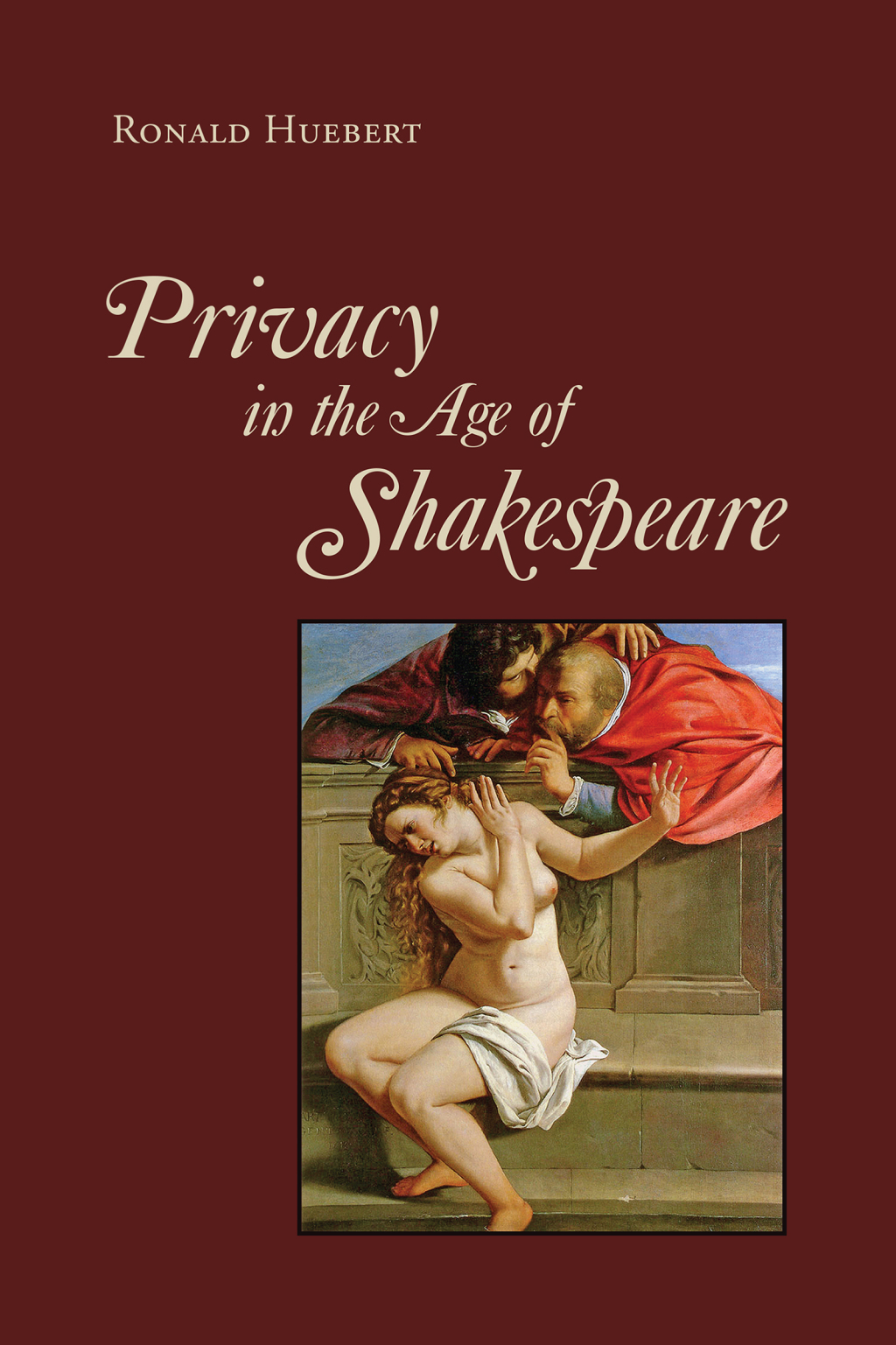

Privacy in the Age of Shakespeare 1st Edition – PDF/EPUB Version Downloadable
$49.99
Author(s): Ronald Huebert
Publisher: University of Toronto Press
ISBN: 9781442647916
Edition: 1st Edition
For at least a generation, scholars have asserted that privacy barely existed in the early modern era. The divide between the public and private was vague, they say, and the concept, if it was acknowledged, was rarely valued. In Privacy in the Age of Shakespeare, Ronald Huebert challenges these assumptions by marshalling evidence that it was in Shakespeare’s time that the idea of privacy went from a marginal notion to a desirable quality.
The era of transition begins with More’s Utopia (1516), in which privacy is forbidden. It ends with Milton’s Paradise Lost (1667), in which privacy is a good to be celebrated. In between come Shakespeare’s plays, paintings by Titian and Vermeer, devotional manuals, autobiographical journals, and the poetry of George Herbert and Robert Herrick, all of which Huebert carefully analyses in order to illuminate the dynamic and emergent nature of early modern privacy.
Related products






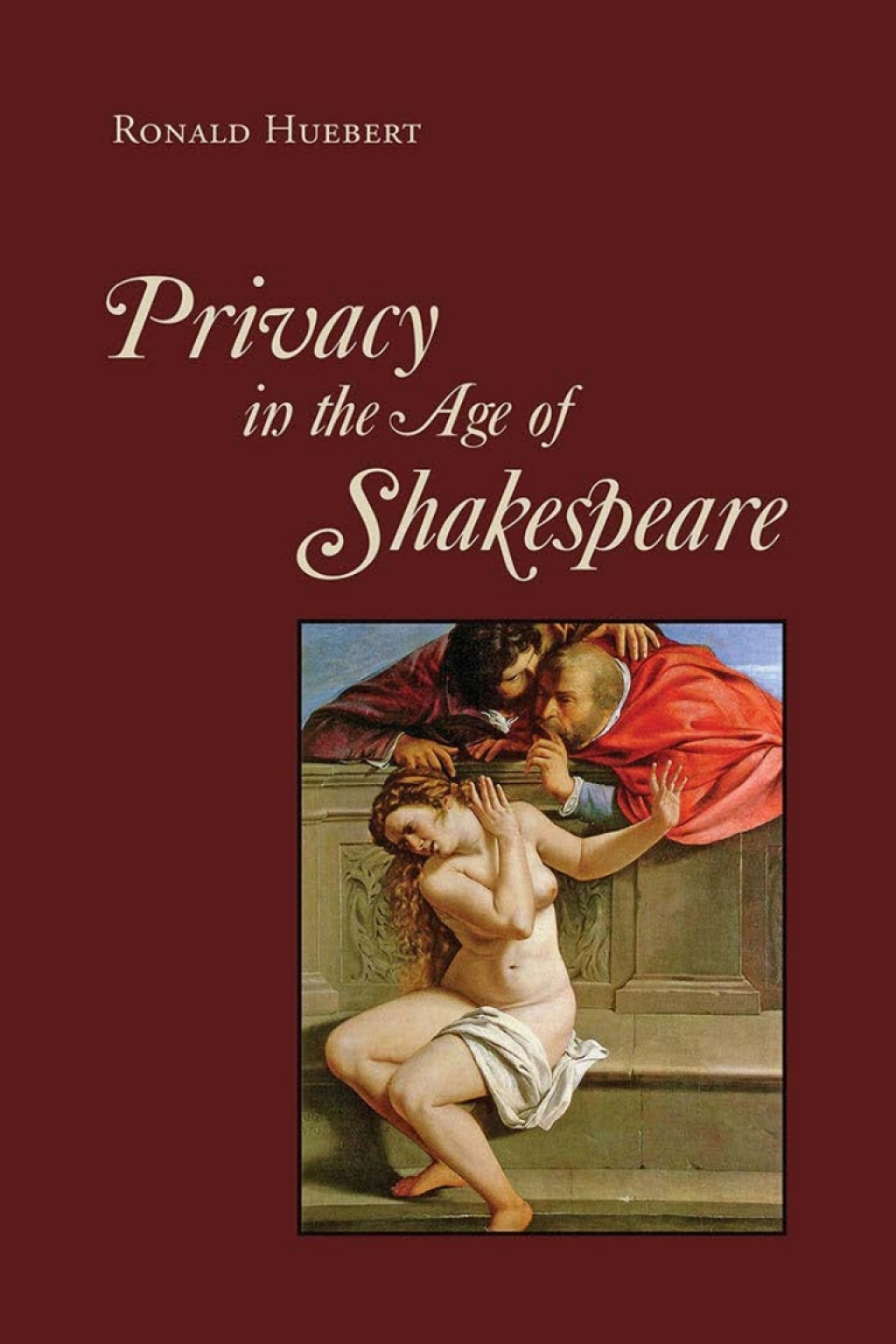
Privacy in the Age of Shakespeare 1st Edition – PDF/EPUB Version Downloadable
$49.99
Author(s): Ronald Huebert
Publisher: University of Toronto Press
ISBN: 9781442647916
Edition: 1st Edition
For at least a generation, scholars have asserted that privacy barely existed in the early modern era. The divide between the public and private was vague, they say, and the concept, if it was acknowledged, was rarely valued. In Privacy in the Age of Shakespeare, Ronald Huebert challenges these assumptions by marshalling evidence that it was in Shakespeare’s time that the idea of privacy went from a marginal notion to a desirable quality.
The era of transition begins with More’s Utopia (1516), in which privacy is forbidden. It ends with Milton’s Paradise Lost (1667), in which privacy is a good to be celebrated. In between come Shakespeare’s plays, paintings by Titian and Vermeer, devotional manuals, autobiographical journals, and the poetry of George Herbert and Robert Herrick, all of which Huebert carefully analyses in order to illuminate the dynamic and emergent nature of early modern privacy.