
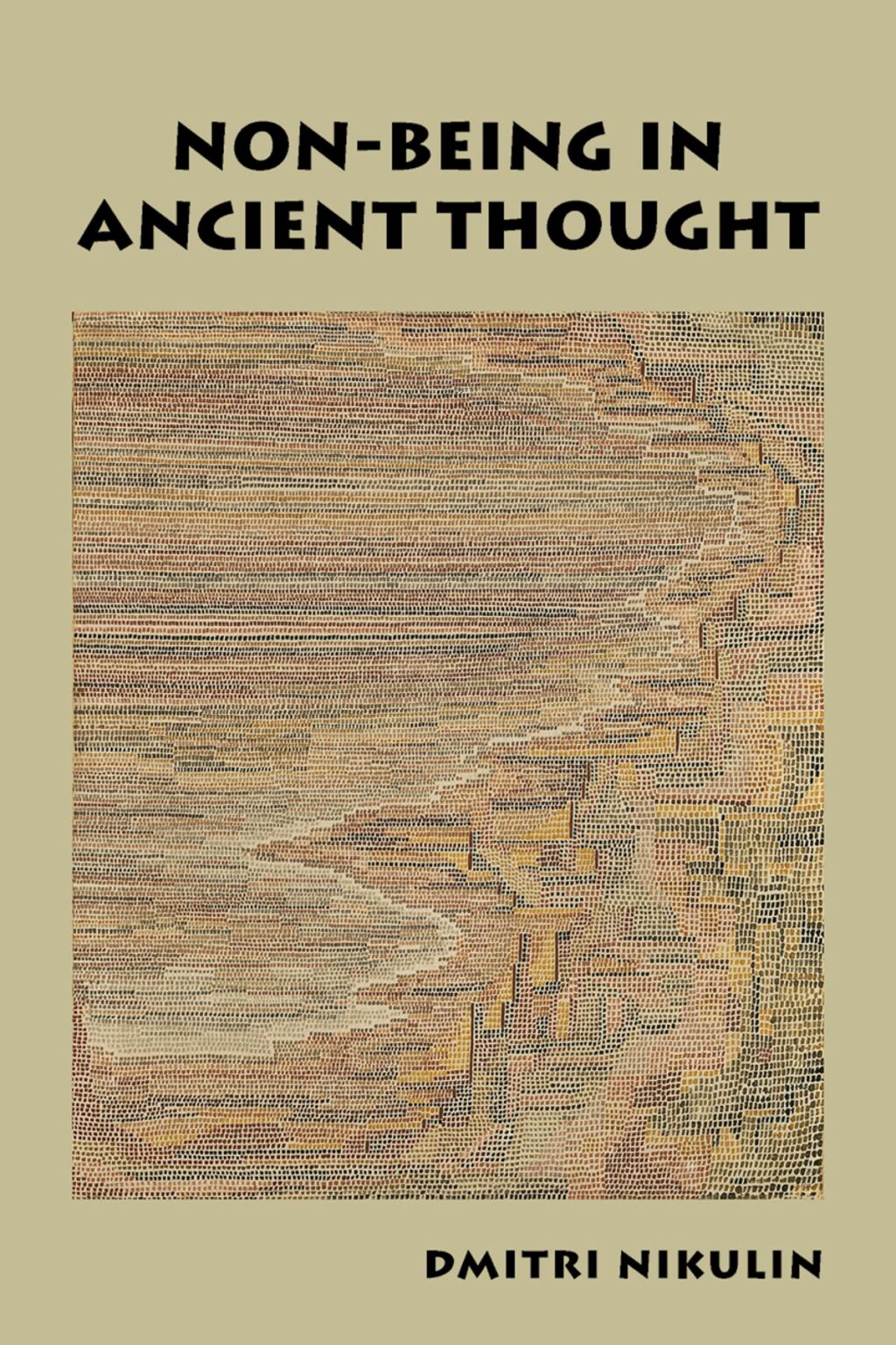
Non-Being in Ancient Thought 1st Edition – PDF/EPUB Version Downloadable
$49.99
Author(s): Dmitri Nikulin
Publisher: Oxford University Press
ISBN: 9780197781616
Edition: 1st Edition
Being has been at the forefront of philosophical debate from its very beginnings, whereas non-being has been considered derivative of being and an obstacle for thought. Dmitri Nikulin argues that without non-being, being can neither be nor thought. Non-Being in Ancient Thought provides a critical, historical, and systematic reconstruction of the concept of non-being in ancient philosophy, from Pre-Socratic thought to Neoplatonism, in the works of Parmenides, Democritus, Plato, Diogenes, Aristotle, Plotinus, and Simplicius. Most contemporary studies of ontology in antiquity are dedicated to being in its philosophical and philological meaning and significance and yet, non-being is a central topic for every ancient philosopher. Therefore, rethinking the role of non-being is essential, since it can lead to the reconsideration of the concept of being and a different account of being and existence. A careful analysis of the relevant texts demonstrates that ancient thinkers stress the centrality of non-being for the understanding of being. Yet because non-being is not, and thus cannot be thought as an existing object, it requires special philosophical apparatus and apophatic language for its investigation and expression. This approach constitutes the other kind of ontology, which has faded in modern times and yet remains philosophically significant. Non-Being in Ancient Thought provides a historical and systematic reconstruction of the concept of non-being in ancient philosophy from the Pre-Socratics to the Neoplatonists, with reference to the works of Parmenides, Democritus, Plato, Diogenes, Aristotle, Plotinus, and Simplicius.
-1st-edition-%E2%80%93-pdfepub-version-downloadable-8741-yaq5g.jpg)