
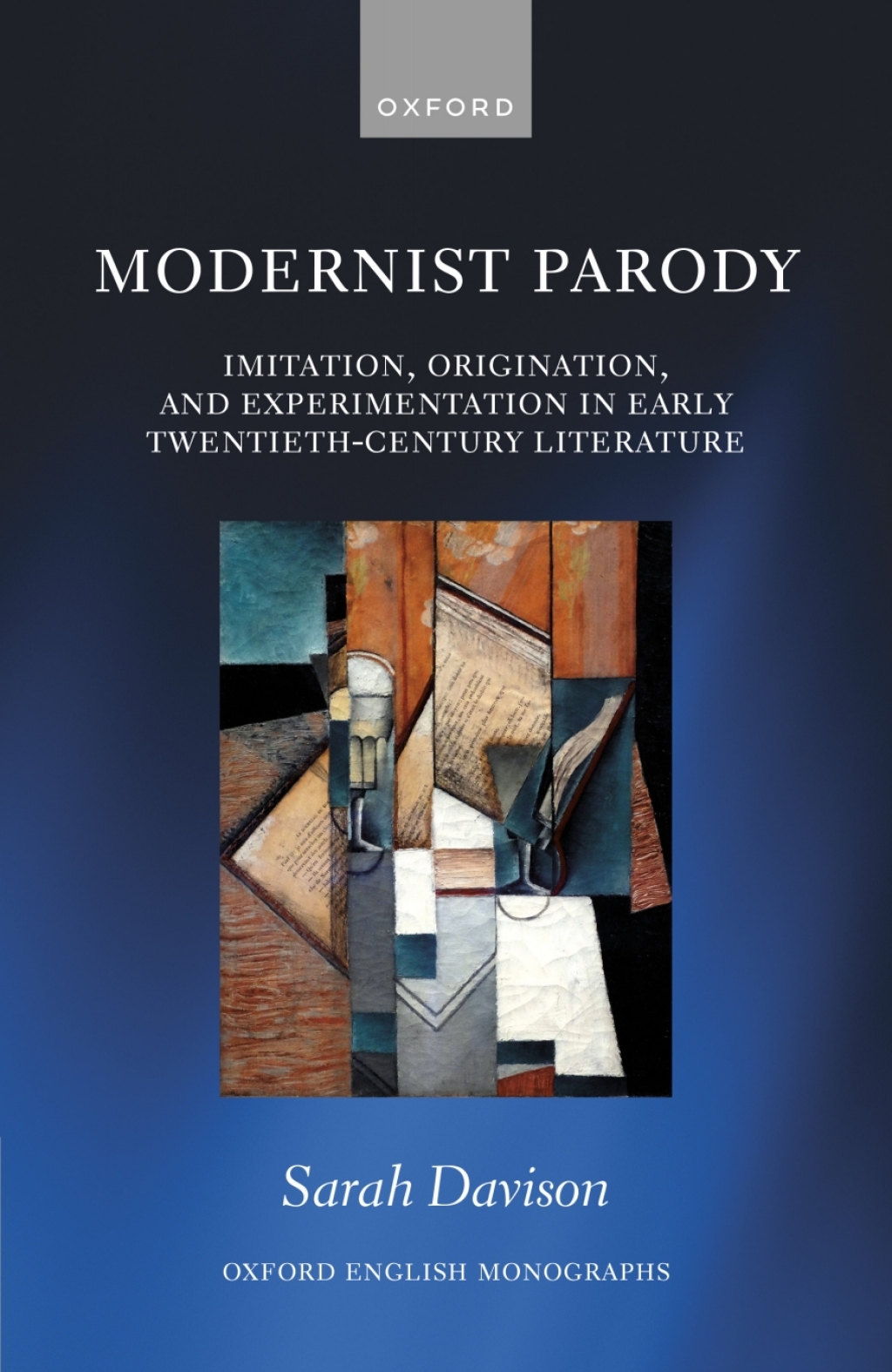
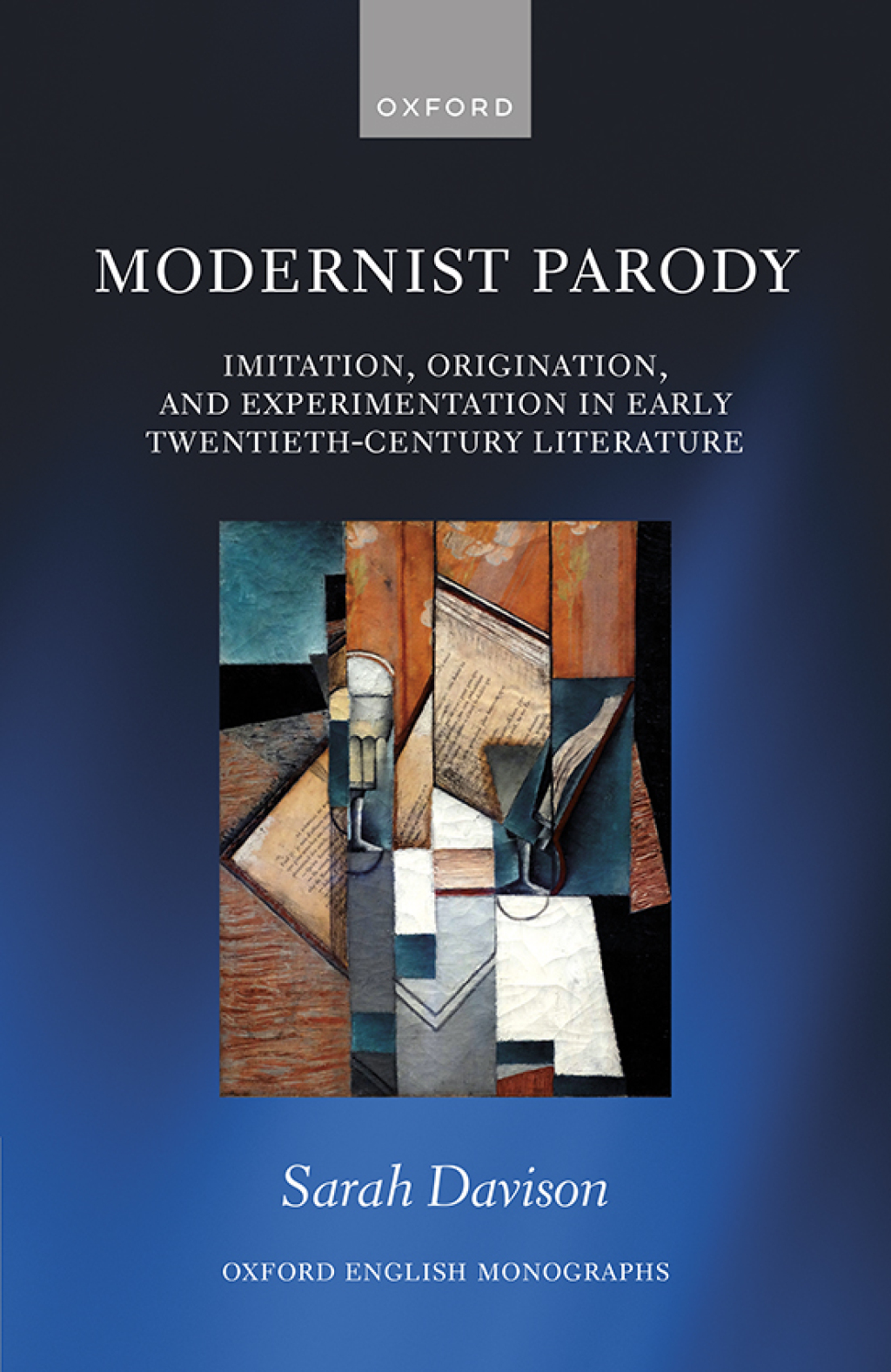
Modernist Parody Imitation, Origination, and Experimentation in Early Twentieth-Century Literature – PDF/EPUB Version Downloadable
$49.99
Author(s): Sarah Davison
Publisher: OUP Oxford
ISBN: 9780192849243
Edition:
Parody often stands accused of producing derivative art deficient in taste and skill. But in the hands of writers such as Ezra Pound, Wyndham Lewis, T. S. Eliot, James Joyce, Ford Madox Ford, and Virginia Woolf, the mode engendered revolutionary self-reflexive, critical, and creative practices that were crucial to the development of truly modern art. This book contends that the jauntiness, verve, and daring of high modernism is fundamentally parodic. It argues that parody is central to the whole modernist project, even to supposedly earnest movements such as Imagism, and not just to the extreme avant-garde antics of Dada. As a literary technique, parody provided the means for modernists of many stripes to learn their craft, sharpen their historical sense, define themselves as post-Victorians, and respond to sources of inspiration while composing. It offered a ready method to laugh at folly, amuse friends, criticize opponents, spike enemies, and transgress conventions. Being double-coded, parody proved a powerful weapon in the culture wars, enabling modernists to present and simultaneously challenge prevailing ideologies in all their historically determined complexity. Its fundamentally dialogic and palimpsestual form exposed the limitations of naïve mimesis, insisting that literature is always language in unstable play, while simultaneously foregrounding the relational structures that underwrote the modernists’ paradoxical claims to originality and modernity. As a principle of continual genesis-and a spur to the production of yet more forcefully experimental art-parody therefore became the modernists’ primary reflex as they negotiated their position in literary culture and made it new.
Related products



Modernist Parody Imitation, Origination, and Experimentation in Early Twentieth-Century Literature – PDF/EPUB Version Downloadable
$49.99
Author(s): Sarah Davison
Publisher: OUP Oxford
ISBN: 9780192665904
Edition:
Parody often stands accused of producing derivative art deficient in taste and skill. But in the hands of writers such as Ezra Pound, Wyndham Lewis, T. S. Eliot, James Joyce, Ford Madox Ford, and Virginia Woolf, the mode engendered revolutionary self-reflexive, critical, and creative practices that were crucial to the development of truly modern art. This book contends that the jauntiness, verve, and daring of high modernism is fundamentally parodic. It argues that parody is central to the whole modernist project, even to supposedly earnest movements such as Imagism, and not just to the extreme avant-garde antics of Dada. As a literary technique, parody provided the means for modernists of many stripes to learn their craft, sharpen their historical sense, define themselves as post-Victorians, and respond to sources of inspiration while composing. It offered a ready method to laugh at folly, amuse friends, criticize opponents, spike enemies, and transgress conventions. Being double-coded, parody proved a powerful weapon in the culture wars, enabling modernists to present and simultaneously challenge prevailing ideologies in all their historically determined complexity. Its fundamentally dialogic and palimpsestual form exposed the limitations of naïve mimesis, insisting that literature is always language in unstable play, while simultaneously foregrounding the relational structures that underwrote the modernists’ paradoxical claims to originality and modernity. As a principle of continual genesis-and a spur to the production of yet more forcefully experimental art-parody therefore became the modernists’ primary reflex as they negotiated their position in literary culture and made it new.
-1st-edition-%E2%80%93-pdfepub-version-downloadable-4292-c4gaw.jpg)