

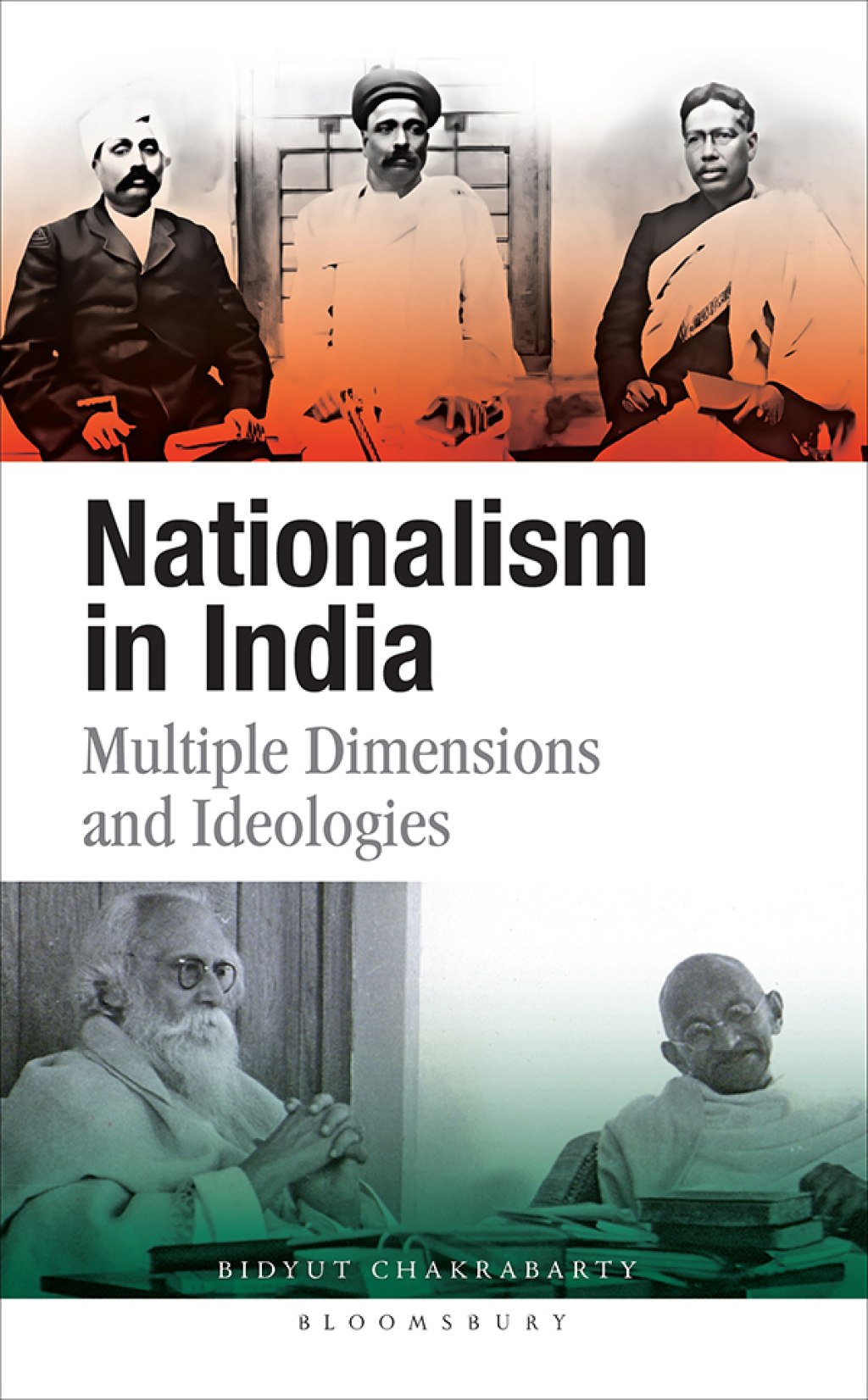


Nationalism in India Multiple Dimensions and Ideologies 1st Edition – PDF/EPUB Version Downloadable
$49.99
Author(s): Bidyut Chakrabarty
Publisher: Bloomsbury India
ISBN: 9789361318436
Edition: 1st Edition
This book explores the diverse ideational visions of key leaders in India’s freedom struggle, highlighting both their differences and similarities. While rooted in distinct political and ideological contexts, these visions shared a common goal: India’s political emancipation. Though ideologically divergent, many nationalist leaders did not directly challenge Mahatma Gandhi’s nonviolent resistance campaign against British rule, despite their differing approaches. The book traces the evolution of Indian nationalism through three distinct phases, each shaped by the political and ideological priorities of the time. The Moderates, while supporting British rule as a necessary stage in India’s development, still called for independence, albeit under British supervision. The arrival of the New Nationalists, including leaders like Aurobindo and the Lal-Bal-Pal trio (Lala Lajpat Rai, Bal Gangadhar Tilak, and Bipin Chandra Pal), marked a shift in the nationalist vision. They advocated for active resistance and redefined opposition strategies, favoring passive resistance as a tool for political independence. The rise of Gandhi in 1918, following his success in the Champaran Satyagraha, ushered in a new phase of Indian nationalism. While Gandhi’s approach differed from his predecessors, the central aim of achieving independence remained unchanged. This book examines these evolving ideologies and their contributions to shaping the Indian nationalist movement.