
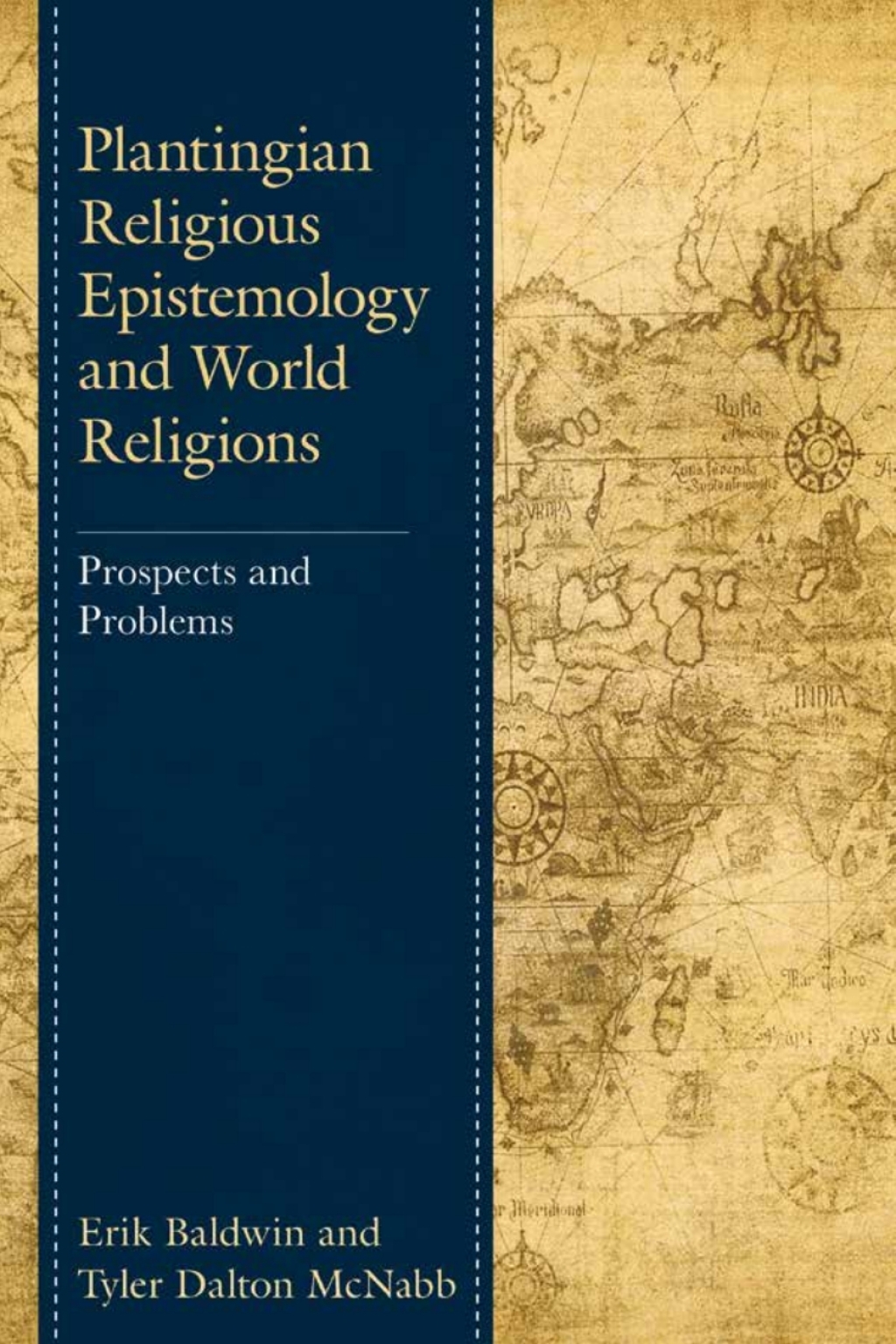


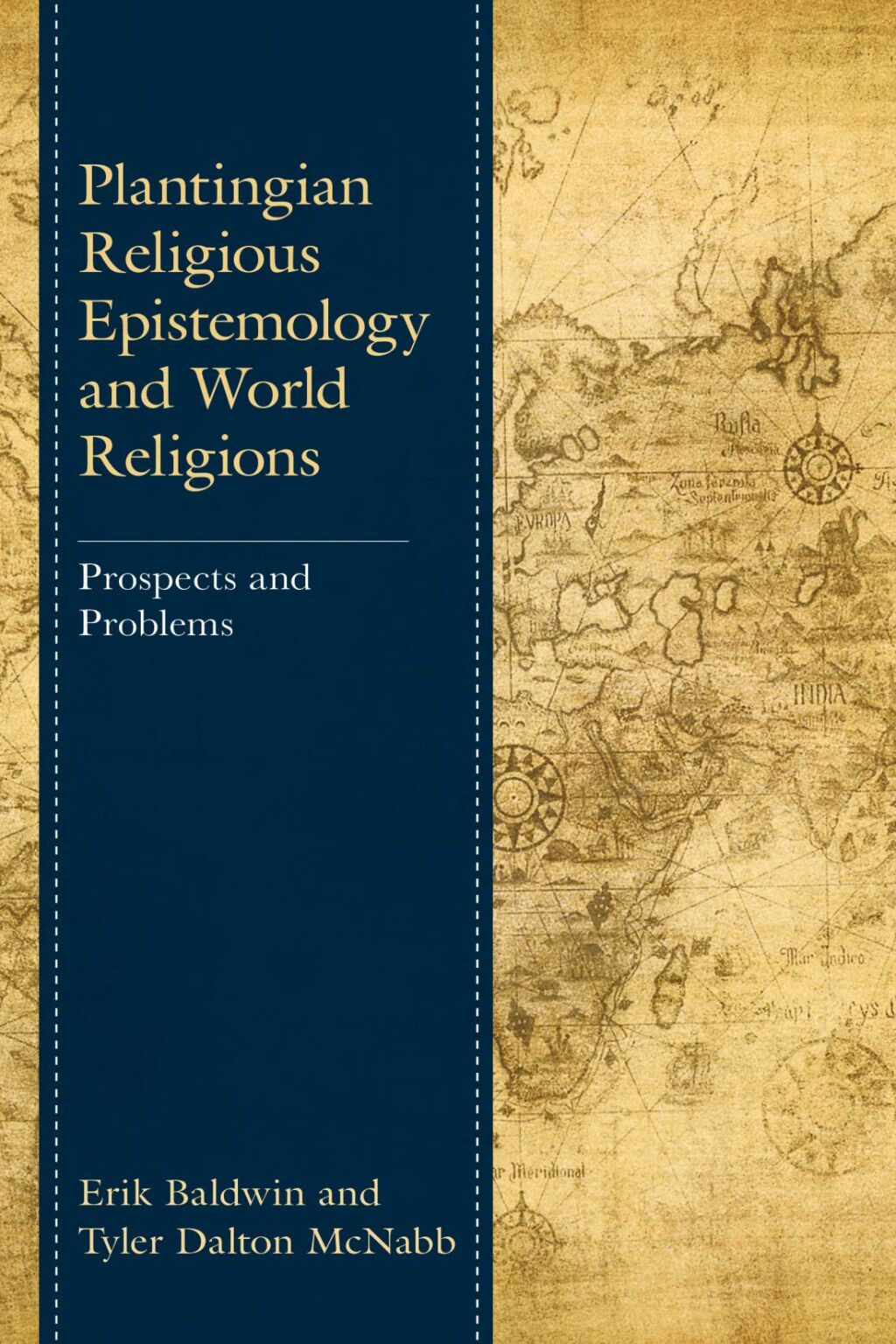
Plantingian Religious Epistemology and World Religions Prospects and Problems 1st Edition – PDF/EPUB Version Downloadable
$49.99
Author(s): Erik Baldwin; Tyler Dalton McNabb
Publisher: Lexington Books
ISBN: 9781498552936
Edition: 1st Edition
To what extent can non-Christian religious traditions utilize Plantinga’s epistemology? And, if there are believers from differing religious traditions that can rightfully utilize Plantinga’s religious epistemology, does this somehow prevent a Plantingian’s creedal-specific religious belief from being warranted? In order to answer these questions, Baldwin and McNabb first provide an introduction to Plantinga’s religious epistemology. Second, they explore the prospects and problems that members of non-Christian religions face when they attempt to utilize Plantingian religious epistemology. Finally, they sketch out possible approaches to holding that a Plantingian’s creedal-specific religious belief can be warranted, even given believers from other religious traditions who can also rightfully make full use of Plantinga’s religious epistemology.
Related products



Plantingian Religious Epistemology and World Religions Prospects and Problems 1st Edition – PDF/EPUB Version Downloadable
$49.99
Author(s): Erik Baldwin; Tyler Dalton McNabb
Publisher: Lexington Books
ISBN: 9781498552936
Edition: 1st Edition
To what extent can non-Christian religious traditions utilize Plantinga’s epistemology? And, if there are believers from differing religious traditions that can rightfully utilize Plantinga’s religious epistemology, does this somehow prevent a Plantingian’s creedal-specific religious belief from being warranted? In order to answer these questions, Baldwin and McNabb first provide an introduction to Plantinga’s religious epistemology. Second, they explore the prospects and problems that members of non-Christian religions face when they attempt to utilize Plantingian religious epistemology. Finally, they sketch out possible approaches to holding that a Plantingian’s creedal-specific religious belief can be warranted, even given believers from other religious traditions who can also rightfully make full use of Plantinga’s religious epistemology.
-1st-edition-%E2%80%93-pdfepub-version-downloadable-8741-yaq5g.jpg)