

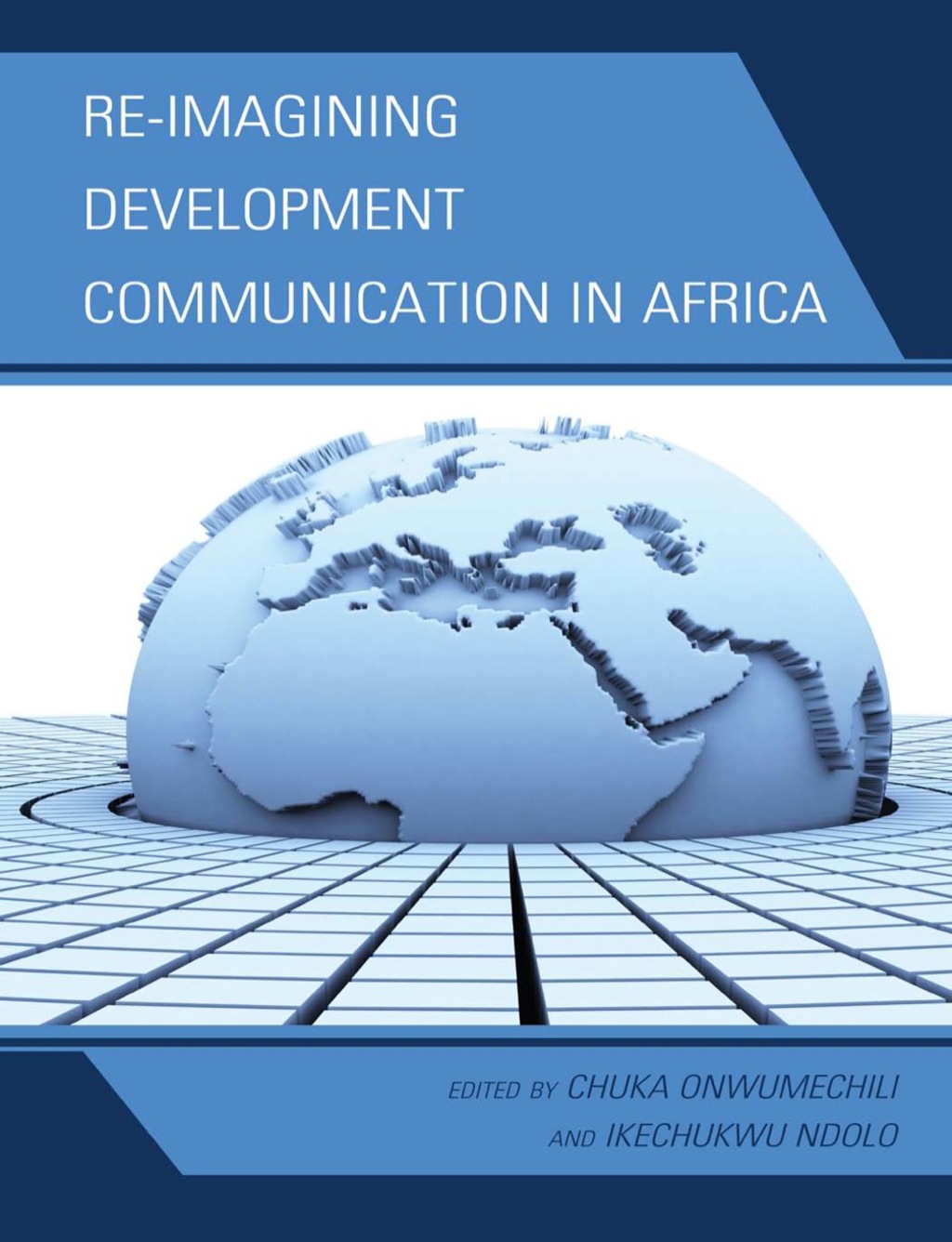
Re-imagining Development Communication in Africa 1st Edition – PDF/EPUB Version Downloadable
$49.99
Author(s):
Publisher: Lexington Books
ISBN: 9780739176146
Edition: 1st Edition
Re-imagining Development Communication in Africa is organized into three sections or parts, the first focusing on the past and the history of development communication scholarship; the second analyzes theoretical issues, and finally a third section that looks at country cases. The first part provides several perspectives on the historical development of the field as it pertains to Africa. Some of these look at ideological, indigenous contributions, and the particular importance of gender issues. The second section provides a critique of development communication theory and provides a more cultural appropriate alternative. Additionally, the book applies existing theory to practice in African communities. This leads to the third section of the book which focuses on development communication in some country cases such as in Cameroon, Kenya, Nigeria, and Rwanda.
Related products
-1st-edition-%E2%80%93-pdfepub-version-downloadable-4292-c4gaw.jpg)






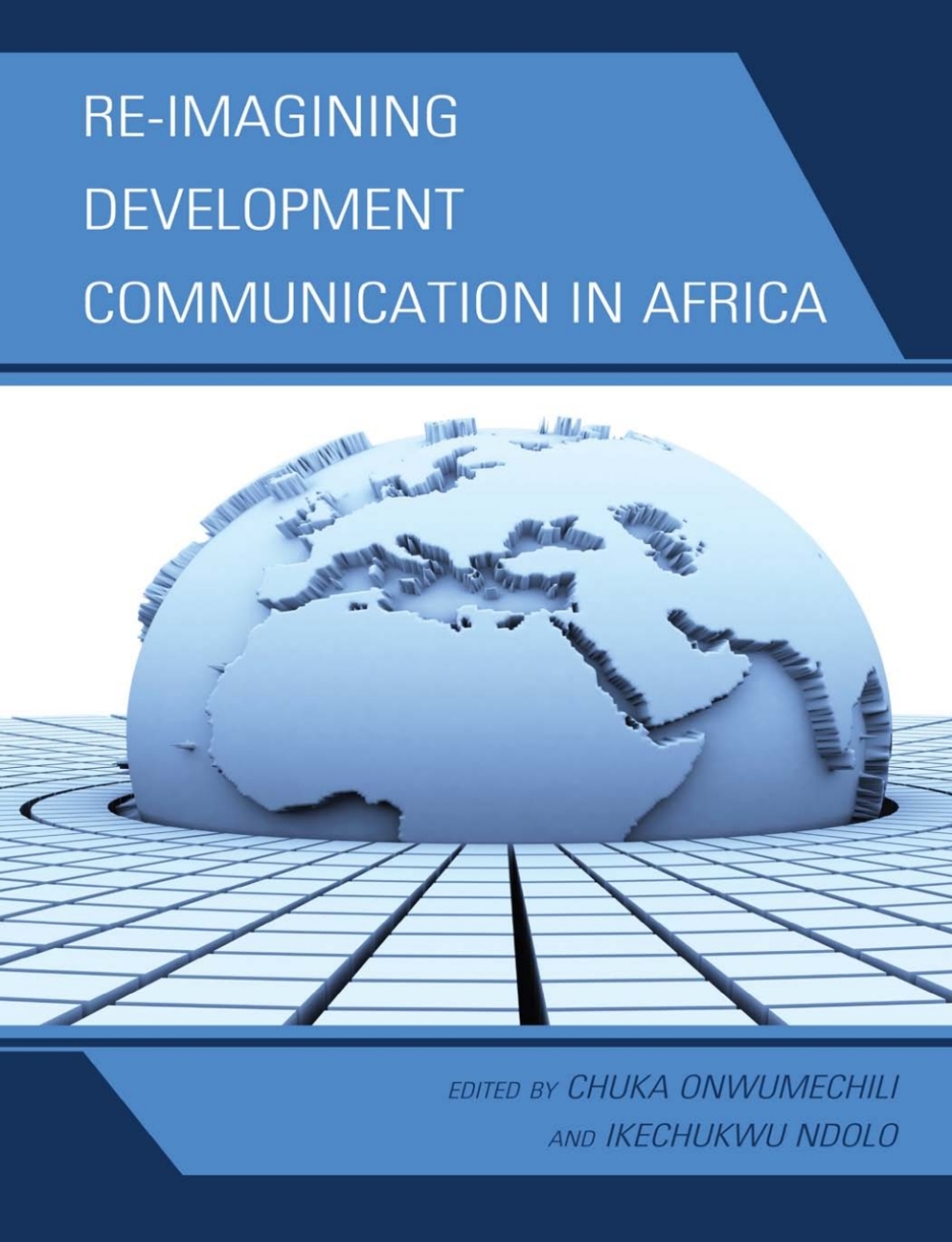

Re-imagining Development Communication in Africa 1st Edition – PDF/EPUB Version Downloadable
$49.99
Author(s): Authorized Gateway Customer
Publisher: Lexington Books
ISBN: 9780739176146
Edition: 1st Edition
Re-imagining Development Communication in Africa is organized into three sections or parts, the first focusing on the past and the history of development communication scholarship; the second analyzes theoretical issues, and finally a third section that looks at country cases. The first part provides several perspectives on the historical development of the field as it pertains to Africa. Some of these look at ideological, indigenous contributions, and the particular importance of gender issues. The second section provides a critique of development communication theory and provides a more cultural appropriate alternative. Additionally, the book applies existing theory to practice in African communities. This leads to the third section of the book which focuses on development communication in some country cases such as in Cameroon, Kenya, Nigeria, and Rwanda.