
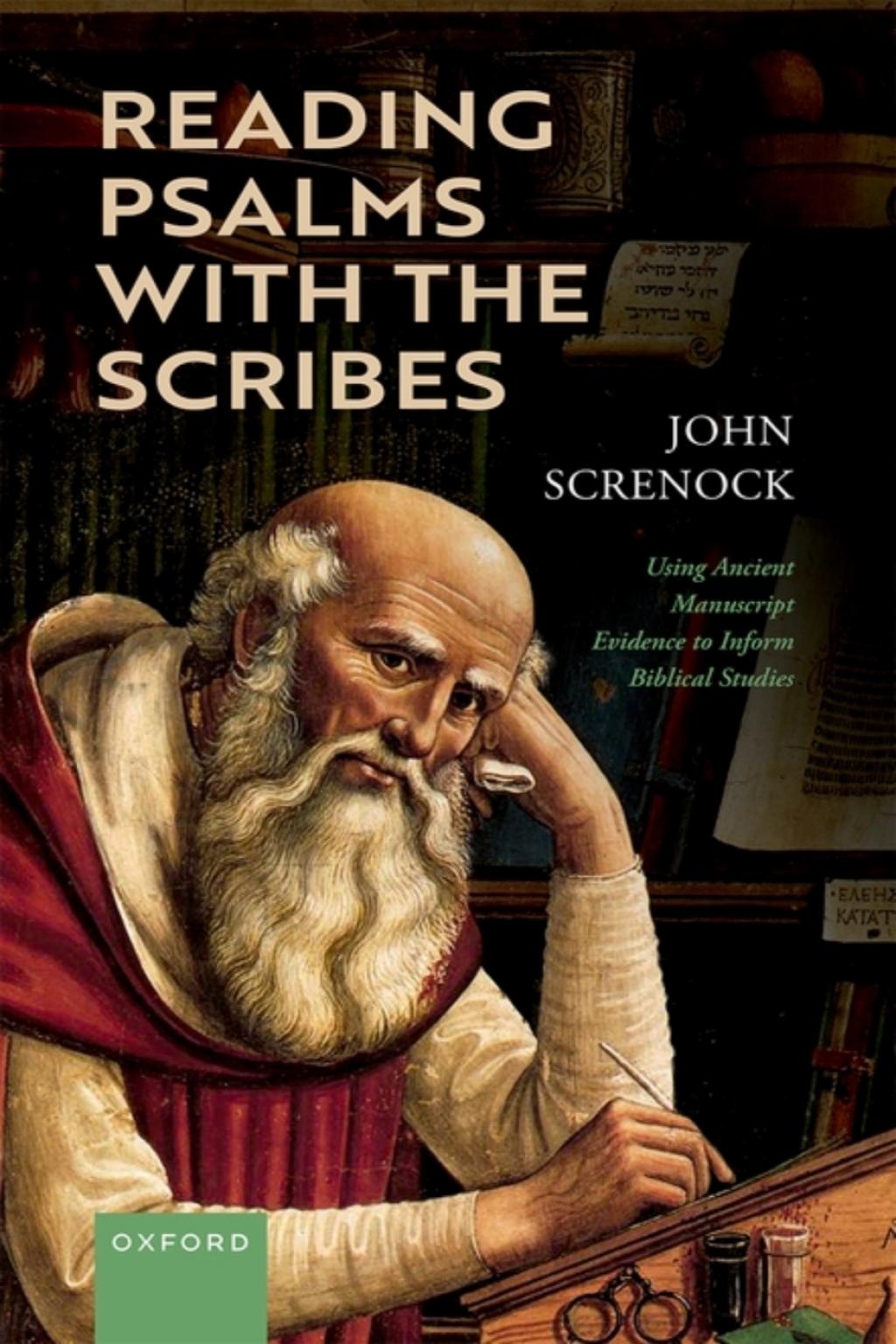
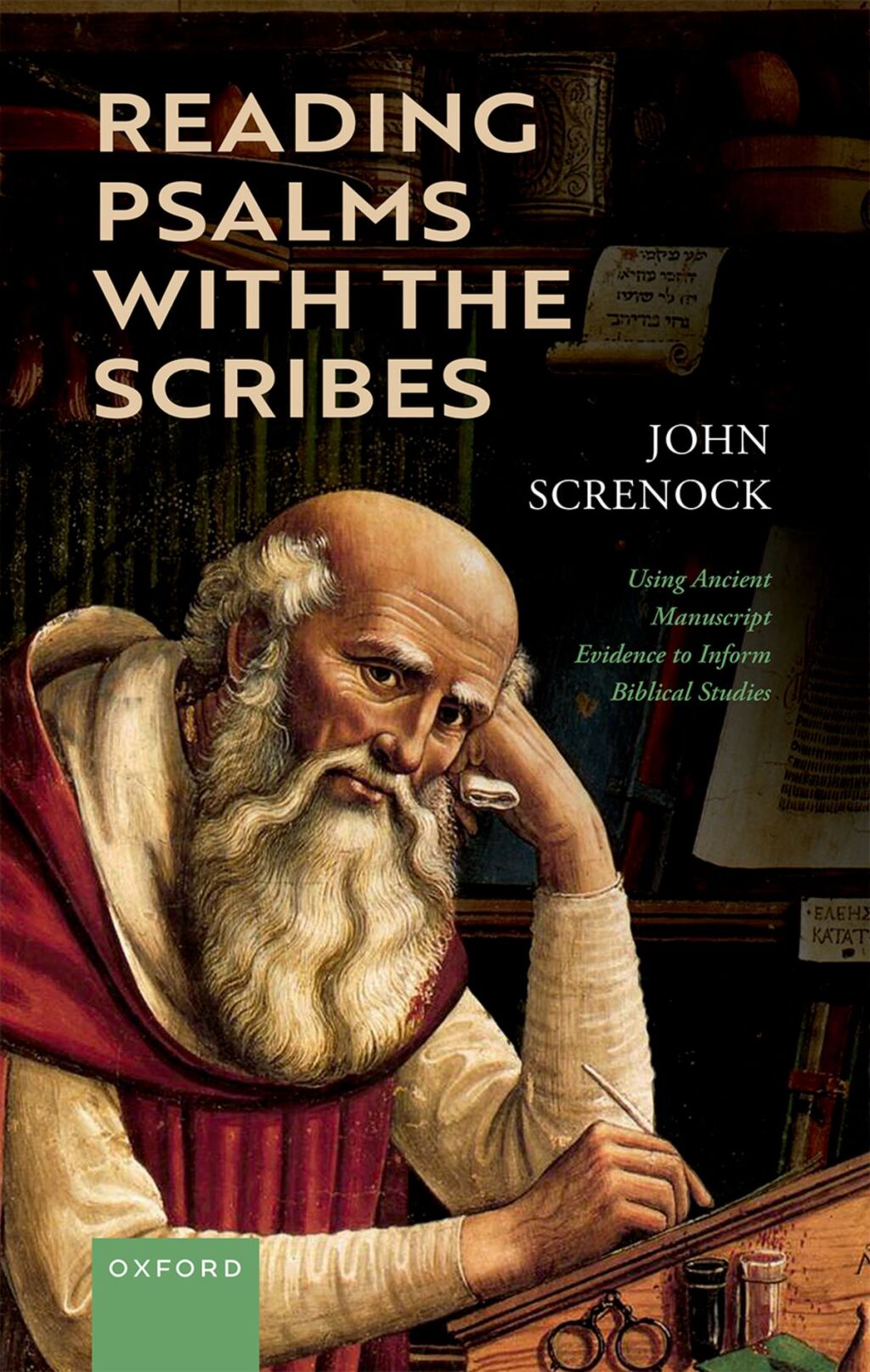
Reading Psalms with the Scribes Using Ancient Manuscript Evidence to Inform Biblical Studies 1st Edition – PDF/EPUB Version Downloadable
$49.99
Author(s): John Screnock
Publisher: OUP Oxford
ISBN: 9780198853640
Edition: 1st Edition
Reading Psalms with the Scribes argues for a new approach to the study of the Hebrew Bible, “reading with the scribes,†which puts variation in the ancient witnesses at the center of the endeavor. With a focus on texts from Psalms, Reading Psalms with the Scribes explores how ancient manuscript evidence can impact scholars’ thinking about poetics, composition, and interpretation. Whereas most biblical scholarship keeps textual criticism distinct from other kinds of analysis — as a preliminary step that provides one correct version of the text to be studied, for example — the practice of reading with the scribes leverages moments of variation for their insights into the thoughts, practices, and work of scribes. The scribes of the Second Temple period were much more than copyists; they were practiced readers who paid close attention to the poetic features of psalms, competent editors who polished the existing strengths of psalms, talented authors who could add new elements to psalms without altering their compositional unity, and skilled interpreters with robust understandings of the text. Though current scholarship has extensive knowledge of these ancient texts in all their facets, there is much we can learn from the scribes of the Second Temple period. When we focus our attention on the places in the text where the scribes were at work and explore the elements of the text involved in that work — when we explore some of the paths that scribes have made in the text — we can glean methodological insights and consider psalms and other ancient Hebrew texts in new ways.
Related products
-1st-edition-%E2%80%93-pdfepub-version-downloadable-4292-c4gaw.jpg)


Reading Psalms with the Scribes Using Ancient Manuscript Evidence to Inform Biblical Studies 1st Edition – PDF/EPUB Version Downloadable
$49.99
Author(s): John Screnock
Publisher: OUP Oxford
ISBN: 9780198853640
Edition: 1st Edition
Reading Psalms with the Scribes argues for a new approach to the study of the Hebrew Bible, “reading with the scribes,†which puts variation in the ancient witnesses at the center of the endeavor. With a focus on texts from Psalms, Reading Psalms with the Scribes explores how ancient manuscript evidence can impact scholars’ thinking about poetics, composition, and interpretation. Whereas most biblical scholarship keeps textual criticism distinct from other kinds of analysis — as a preliminary step that provides one correct version of the text to be studied, for example — the practice of reading with the scribes leverages moments of variation for their insights into the thoughts, practices, and work of scribes. The scribes of the Second Temple period were much more than copyists; they were practiced readers who paid close attention to the poetic features of psalms, competent editors who polished the existing strengths of psalms, talented authors who could add new elements to psalms without altering their compositional unity, and skilled interpreters with robust understandings of the text. Though current scholarship has extensive knowledge of these ancient texts in all their facets, there is much we can learn from the scribes of the Second Temple period. When we focus our attention on the places in the text where the scribes were at work and explore the elements of the text involved in that work — when we explore some of the paths that scribes have made in the text — we can glean methodological insights and consider psalms and other ancient Hebrew texts in new ways.
-1st-edition-%E2%80%93-pdfepub-version-downloadable-8741-yaq5g.jpg)