



Polar Tourism and Communities Experiences, Knowledge Building, Challenges and Opportunities – PDF/EPUB Version Downloadable
$49.99
Author(s):
Publisher: CABI
ISBN: 9781800624429
Edition:
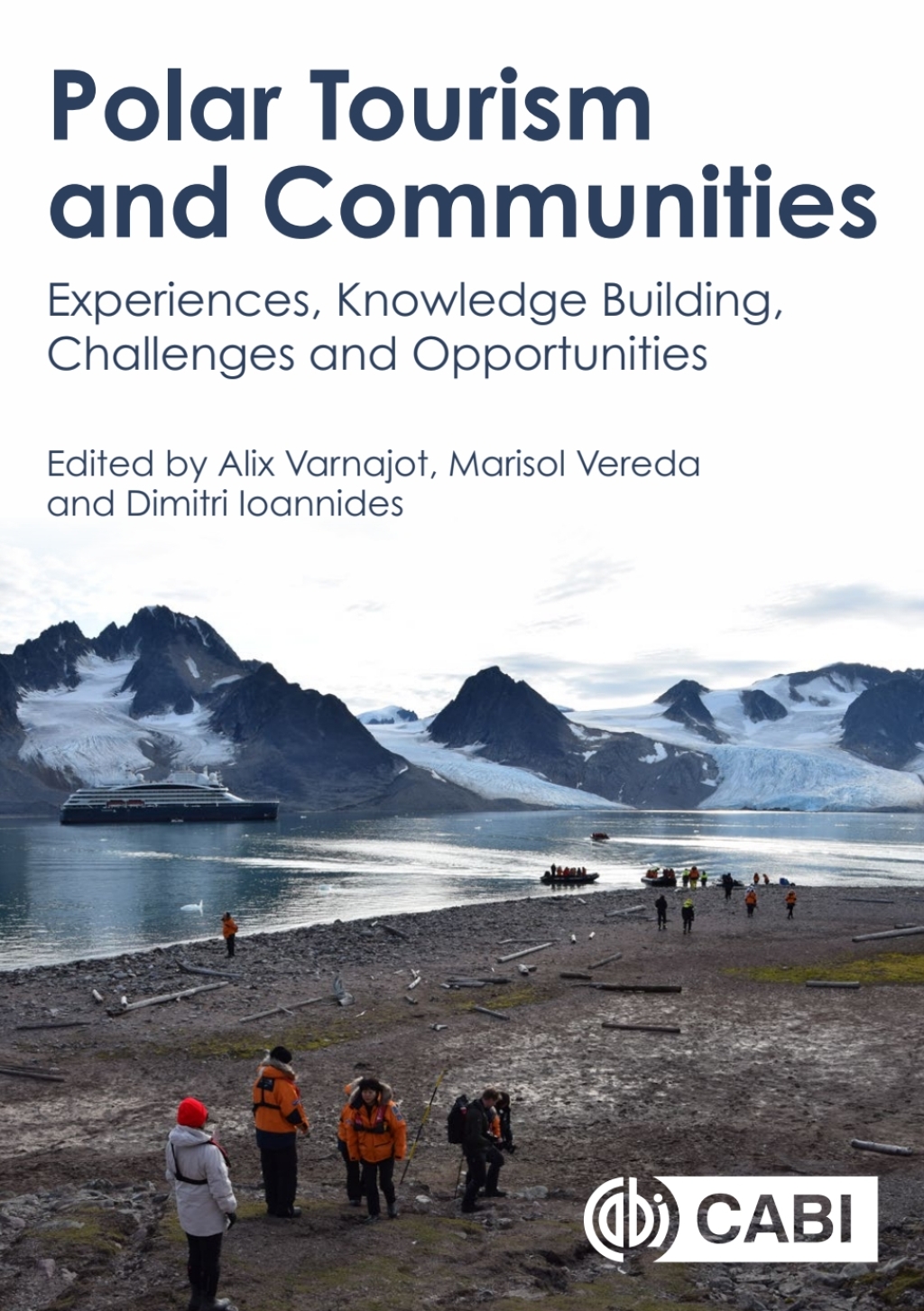
Prior to the outbreak of the coronavirus pandemic in 2020, the Arctic and Antarctic regions were experiencing significant growth in tourist arrivals. In the aftermath of this global crisis, the tourism industry has rebounded and the number of tourists visiting the polar regions is expected to keep growing significantly in the coming years. Remote regions are increasingly accessible as tourism actors develop technologies, diversify activities and itineraries, and climate change worsens. In the Arctic, tourism now takes place year-round through various modalities, ranging from exclusive icebreaker expeditions to the North Pole to mass tourism practices in several destinations such as Rovaniemi, Reykjavik, Longyearbyen or Skagway, wherein tourism not only brings opportunities, but also new challenges to local communities. Meanwhile, gateway cities to Antarctica such as Ushuaia and its inhabitants are set to recover from the severe adverse effects due to the virtual standstill of tourism in the region.This book fills the gap in literature on polar tourism and communities. Through several examples encompassing the Arctic and Antarctica, various chapters examine how both the tourism industry and various communities impact and influence each other from economic, sociocultural, political and environmental perspectives.The contents provide a general perspective regarding polar tourism and chapters focusing on challenges and/or experiences of the communities that are related to tourism in the polar regions and delivers: · Exploration of the complex interactions between polar tourism and local communities· Coverage of a broad range of topics including safety, environmental care, increase in the number of visitors, and the pursuit of new experiences at the farthest extremes of the world.Overall, this book provides a unique and timely analysis of the complex interactions between polar tourism and local communities and could be of interest to advanced-level students and researchers in tourism studies and polar geographies.
Related products
-1st-edition-%E2%80%93-pdfepub-version-downloadable-4292-c4gaw.jpg)









Polar Tourism and Communities Experiences, Knowledge Building, Challenges and Opportunities – PDF/EPUB Version Downloadable
$49.99
Author(s): Alix Varnajot, Marisol Vereda & Dimitri Ioannides
Publisher: CABI
ISBN: 9781800624429
Edition:
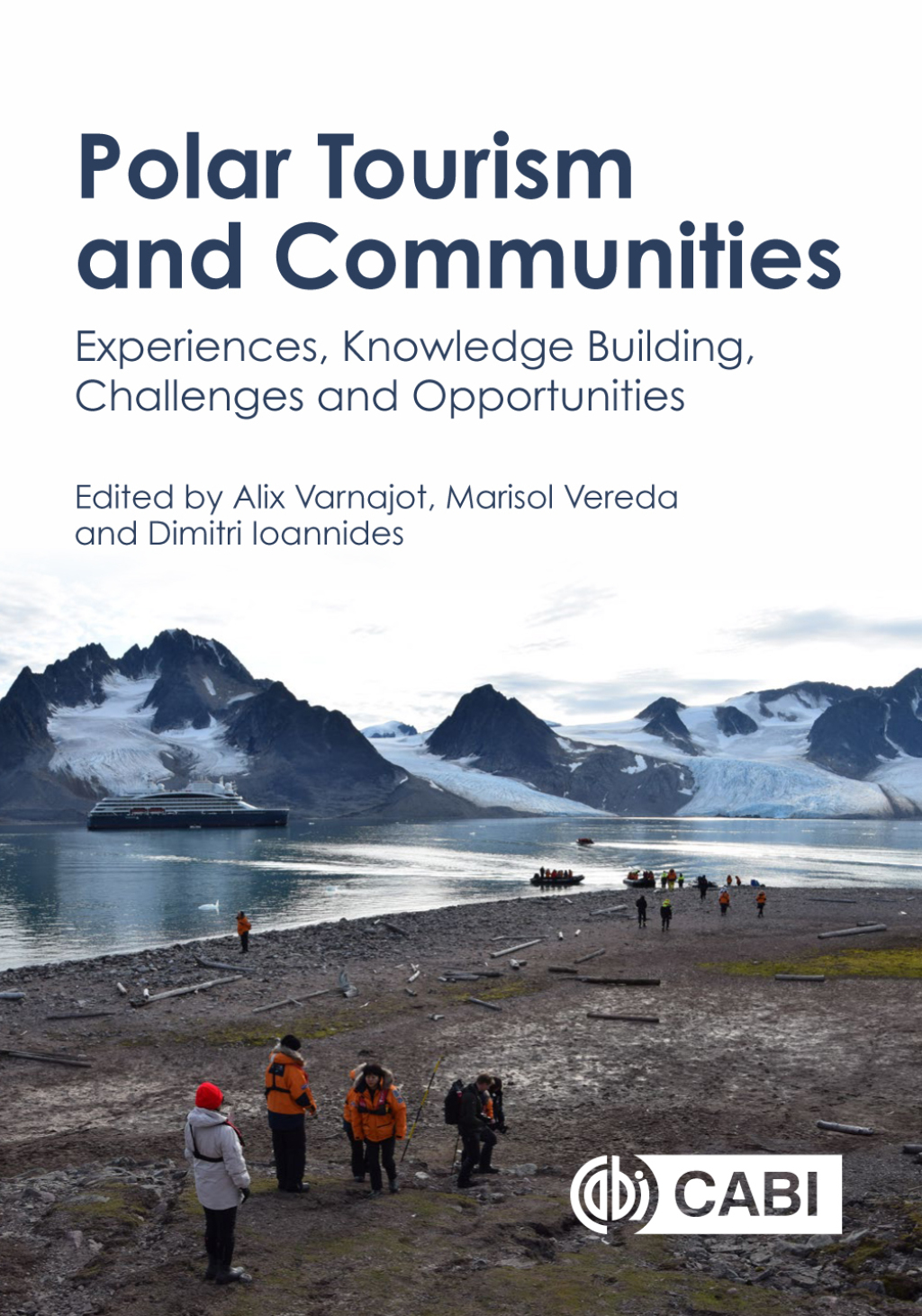
Prior to the outbreak of the coronavirus pandemic in 2020, the Arctic and Antarctic regions were experiencing significant growth in tourist arrivals. In the aftermath of this global crisis, the tourism industry has rebounded and the number of tourists visiting the polar regions is expected to keep growing significantly in the coming years. Remote regions are increasingly accessible as tourism actors develop technologies, diversify activities and itineraries, and climate change worsens. In the Arctic, tourism now takes place year-round through various modalities, ranging from exclusive icebreaker expeditions to the North Pole to mass tourism practices in several destinations such as Rovaniemi, Reykjavik, Longyearbyen or Skagway, wherein tourism not only brings opportunities, but also new challenges to local communities. Meanwhile, gateway cities to Antarctica such as Ushuaia and its inhabitants are set to recover from the severe adverse effects due to the virtual standstill of tourism in the region.This book fills the gap in literature on polar tourism and communities. Through several examples encompassing the Arctic and Antarctica, various chapters examine how both the tourism industry and various communities impact and influence each other from economic, sociocultural, political and environmental perspectives.The contents provide a general perspective regarding polar tourism and chapters focusing on challenges and/or experiences of the communities that are related to tourism in the polar regions and delivers: · Exploration of the complex interactions between polar tourism and local communities· Coverage of a broad range of topics including safety, environmental care, increase in the number of visitors, and the pursuit of new experiences at the farthest extremes of the world.Overall, this book provides a unique and timely analysis of the complex interactions between polar tourism and local communities and could be of interest to advanced-level students and researchers in tourism studies and polar geographies.
-1st-edition-%E2%80%93-pdfepub-version-downloadable-8741-yaq5g.jpg)