
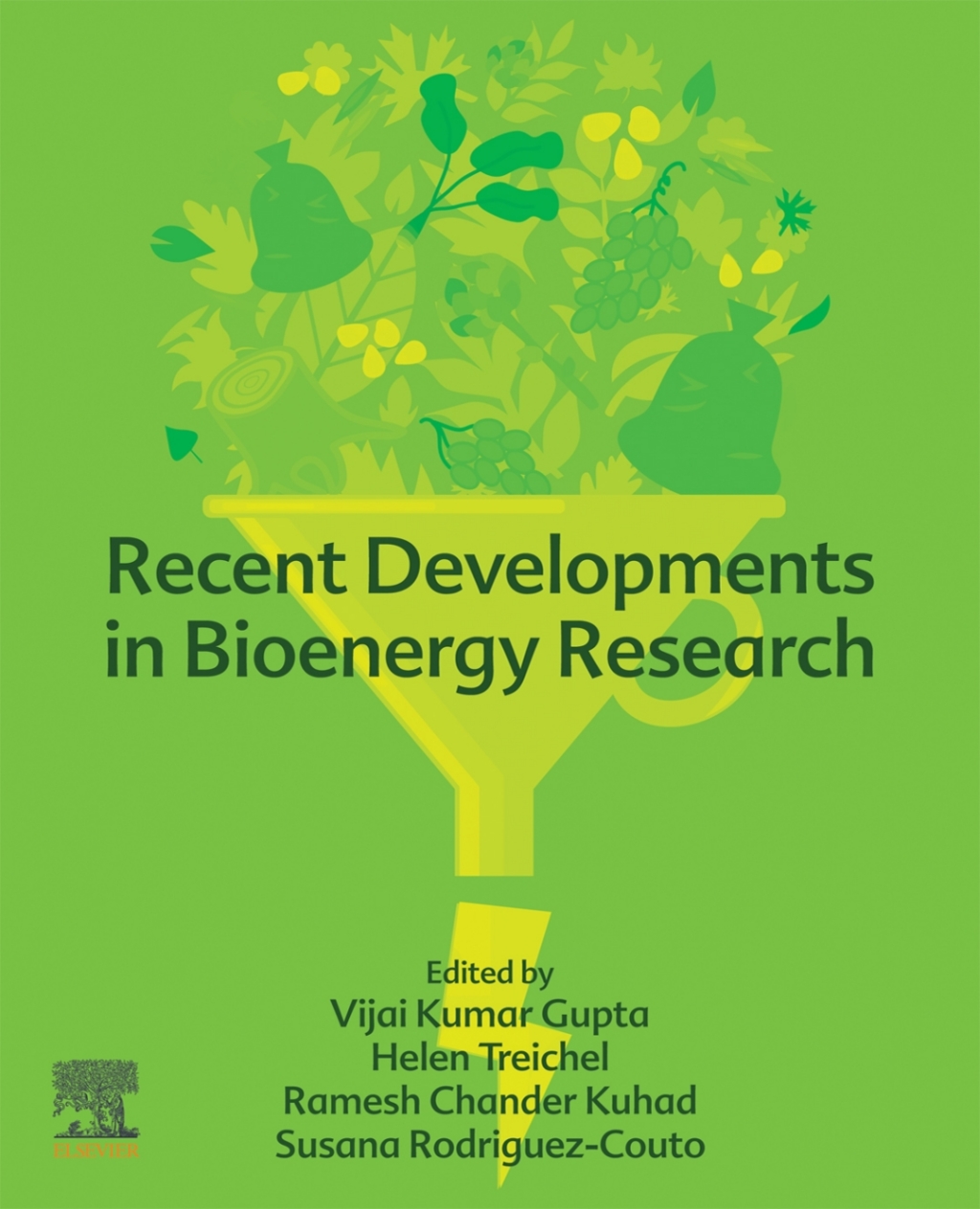


Recent Developments in Bioenergy Research 1st Edition – PDF/EPUB Version Downloadable
$49.99
Author(s): Ramesh Chander Kuhad; Helen Treichel; Susana RodriguezCouto
Publisher: Elsevier (S&T)
ISBN: 9780128195970
Edition: 1st Edition
Recent Developments in Bioenergy Research reviews all these topics, reports recent research findings, and presents potential solutions to challenging issues. The book consolidates the most recent research on the (bio)technologies, concepts and commercial developments that are currently in progress on different types of widely-used biofuels and integrated biorefineries across biochemistry, biotechnology, biochemical engineering and microbiology. Chapters include very recent/emerging topics, such as non-ionic and ionic liquids/surfactants for enhancement of lignocellulose enzymatic hydrolysis and lignocellulose biomass as a rich source of bio-ionic liquids.
The book is a useful source of information for those working in the area of- industrial wastewater treatment and microbial fuel cells, but is also a great resource for senior undergraduate and graduate students, researchers, professionals, biochemical engineers and other interested individuals/groups working in the field of biofuel/bioenergy.
- Provides unique information on biomass-based biofuels for fundamental and applied research
- Outlines research advancements in the areas of bio-hydrogen, bioethanol, bio-methane and biorefineries
- Includes emerging topics on biomass (including wastes) characterization and its uses as a resource for environmental bioremediation and bioenergy
- Reviews enzyme engineering for biomass to bioproducts and biochemicals, lipids/bio-oil
- Focuses on biological/ biochemical routes, as these options have the greatest potential to be the most cost-effective methods for biofuel/bioenergy production